
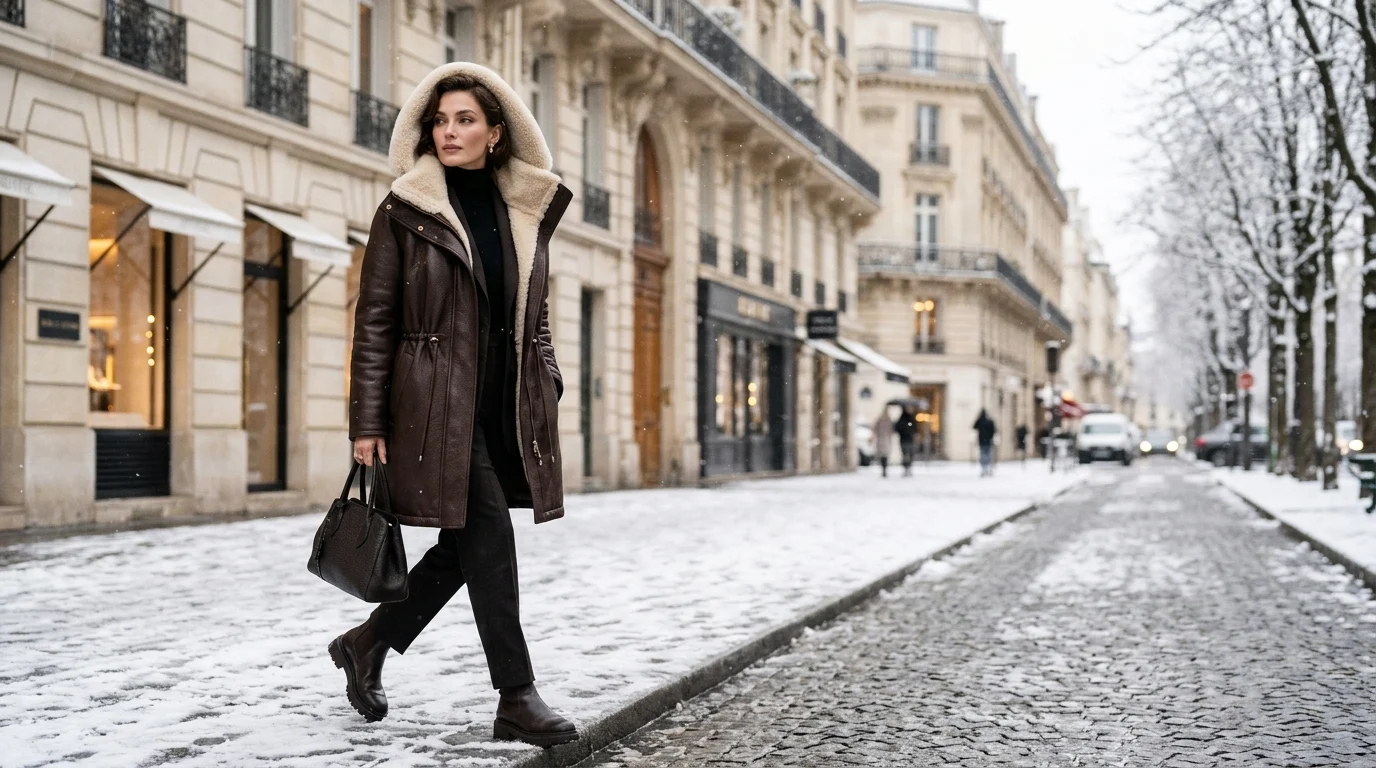
Is a Leather Parka Coat Worth Buying for Winter in 2026? [Cold-Weather Guide]
Evaluate whether a genuine leather parka coat is worth buying for winter 2026 with expert analysis on warmth, hide thickness, weatherproofing, and styling.
Is a Leather Parka Coat Worth Buying for Winter in 2026? [Cold-Weather Guide]
Winter outerwear choices inevitably balance visual prestige against relentless sub-zero defense. While standard technical shells dominate snowy city sidewalks, the resurgence of the genuine leather parka coat redefines how discerning individuals approach freezing weather. Handcrafted from dense, windproof hides and engineered with generous mid-thigh coverage, a luxury leather parka provides a level of structural insulation, acoustic quietness, and commanding presence that synthetic outerwear simply cannot replicate. As colder months demand both unapologetic warmth and refined style, understanding whether this investment garment belongs in your winter wardrobe requires examining leather grades, thermal architecture, fit ergonomics, and daily styling dynamics.
Key Takeaways Box
- Thermal Performance: Genuine full-grain leather forms an impenetrable, naturally windproof shell that blocks freezing gusts far more effectively than porous technical fabrics.
- Silhouette Coverage: The elongated mid-thigh profile safeguards the lower back and upper legs from upward wind drafts when commuting or sitting.
- Material Longevity: Premium cowhide and lambskin parkas endure decades of harsh winter service, developing a rich vintage patina instead of peeling or fraying.
- Craftsmanship Standards: Look for heavy-duty YKK brass hardware, reinforced double-stitched stress points, and integrated storm flaps.
- Investment Value: Custom tailoring and heirloom hide durability make an artisan leather parka far more economical across ten winter seasons than disposable fast fashion.
Is a Genuine Leather Parka Coat Actually Warm Enough for Freezing Winter Weather?
A genuine leather parka coat delivers exceptional warmth in sub-zero winter temperatures because full-grain animal hides create an impenetrable natural windbreak. When insulated with dense thermal quilting or genuine shearling linings, a leather parka traps ambient body heat while completely blocking gale-force arctic gusts that easily penetrate standard woolen fabrics and lightweight synthetic nylon shells.
Winter warmth depends on thermal air retention and wind resistance. While down-filled nylon jackets provide loft, synthetic face fabrics frequently allow biting gusts to siphon stored heat through needle perforations and weave gaps. In contrast, genuine full-grain leather possesses a dense cellular protein structure that wind cannot pierce. When master artisans pair an exterior 1.1 to 1.4 millimeter cowhide hide with quilted polyester satin or plush shearling, the parka acts as an impenetrable personal climate chamber.
Furthermore, thermal comfort in severe weather is heavily influenced by how outerwear handles body moisture. Cheap polyurethane synthetic leathers trap perspiration against your base layers, creating an uncomfortable clammy microclimate that rapidly chills your skin once physical movement pauses. Natural animal hides breathe subtly through microscopic pore channels, allowing regulated vapor transpiration while keeping freezing external air locked out. Discerning shoppers exploring our extensive men's leather coats collection will find that true cold-weather protection stems directly from this natural biological balance.
For women navigating freezing metropolitan commutes, selecting an elongated winter silhouette eliminates the vulnerability of lower-back drafts. Exploring our dedicated women's leather coats selection demonstrates how thoughtful pattern grading preserves hourglass proportions without sacrificing internal thermal loft. When temperatures hover near zero degrees Fahrenheit, a leather parka coat delivers dependable, enveloping warmth that outclasses conventional cold-weather outerwear.
How Does a Leather Parka Differ Structurally From a Leather Puffer or Trench Coat?
A leather parka differs structurally from other winter silhouettes by combining an elongated mid-thigh hemline, an insulated storm hood, and heavy-duty front wind closures. While trench coats prioritize formal drape and puffer jackets focus on high-volume quilting, the leather parka balances utilitarian arctic defense with streamlined architectural tailoring suited for harsh winter streetscapes.
Understanding silhouette differences ensures you invest in outerwear that matches your functional environment. A classic trench coat offers lightweight rain protection and formal belted elegance, but standard single-layer hide construction leaves wearers shivering once mercury plunges below freezing. Conversely, a leather puffer jacket maximizes loft through voluminous horizontal baffles, offering excellent casual warmth but generating a bulky upper-body profile that feels out of place during formal evening engagements.
The leather parka bridges these two extremes with remarkable versatility. Featuring internal drawstring waist cinchers, deep fleece-lined cargo pockets, and reinforced shoulder yokes, the parka maintains a structured, masculine line that moves cleanly from morning boardroom arrivals to weekend mountain retreats. Shoppers comparing silhouettes across our men's classic leather jackets will note that the parka provides significantly more hip and thigh protection than traditional waist-length cuts.
Additionally, the hood construction of a leather parka sets it apart from standard outerwear. While aviator jackets feature shearling lapels, parkas incorporate full three-piece adjustable hoods designed to shield the face from swirling snow. You can contrast these structural philosophies by reviewing our detailed analysis on whether a leather overcoat is worth buying for winter, where hemline dynamics and wind resistance receive exhaustive practical evaluation.
Table 1: Trend and Winter Silhouette Comparison Matrix
| Outerwear Silhouette | Primary Aesthetic | Best Body Proportions | Formality Level | Shoulder Offset & Ease | Expected Longevity |
|---|---|---|---|---|---|
| Leather Parka Coat | Utilitarian Luxury | All Heights & Broader Builds | Smart Casual to Business Casual | 2.0 to 2.5 Inches Ease | 20+ Years Heirloom |
| Leather Puffer Jacket | High-Volume Streetwear | Athletic & Slender Frames | Casual Street Style | 1.5 to 2.0 Inches Ease | 8 to 12 Years |
| Classic Leather Trench | Formal Sophistication | Average to Tall Frames | Formal to Business Professional | 1.0 to 1.5 Inches Ease | 15 to 25 Years |
| Shearling Aviator Jacket | Rugged Military Heritage | Stocky & Broad Shoulders | Casual Heritage Wear | 1.5 to 2.0 Inches Ease | 25+ Years Heirloom |
| Distressed Leather Bomber | Vintage Street Casual | Compact to Athletic Frames | Everyday Casual | 1.0 to 1.5 Inches Ease | 15 to 20 Years |
Which Leather Hide Grade Delivers the Best Winter Durability and Cold Resistance?
Cowhide leather delivers the best winter durability and cold resistance for extreme climates due to its substantial hide thickness and dense fiber matrix. While supple lambskin offers unmatched softness and drape for dressy urban parkas, heavy full-grain cowhide withstands abrasive sleet, sidewalk ice scrapes, and intense snowstorms without stretching out of shape or losing protective structural integrity.
Selecting the appropriate animal hide represents the single most crucial decision when commissioning winter outerwear. Master leather tanners recognize that hide performance varies drastically depending on animal origin, tanning chemistry, and finish thickness. Full-grain cowhide, measuring between 1.1 and 1.4 millimeters in thickness, serves as the industrial standard for rugged outerwear. Its tight grain layer retains the natural collagen fibers that resist tearing, making it virtually impervious to harsh environmental friction and sharp winter precipitation.
In contrast, full-grain lambskin measures between 0.9 and 1.2 millimeters in thickness, delivering an immediate buttery hand-feel and superior drape. While lambskin parkas offer supreme tactile comfort and lightweight elegance for evening outings, the leather requires more careful handling around abrasive surfaces. For individuals seeking a resilient middle ground, full-grain goatskin measuring 0.8 to 1.0 millimeter features natural lanolin content that imparts organic water repellency and a distinct pebbled grain.
To understand how hide selection influences daily comfort, explore our broader catalog of handcrafted men's leather jackets, where diverse hide weights cater to regional climate requirements. You can also review our comparative study examining leather puffer jackets for winter durability to see how hide density alters quilted stitch stability under freezing stress.
Table 2: Material and Durability Specification Matrix
| Leather Hide Type | Certified Hide Thickness | Standard Hardware Specification | Interior Lining Material | Standard Order Lead Time | Craftsmanship Guarantee |
|---|---|---|---|---|---|
| Genuine Cowhide Leather | 1.1 to 1.4 mm Full-Grain | Heavy-Duty YKK Brass Zippers | Polyester Satin Thermal Lining | 3 to 5 Business Days | 1-Year Craftsmanship Warranty |
| Genuine Lambskin Leather | 0.9 to 1.2 mm Full-Grain | Antique Brass YKK Zippers | Polyester Satin Thermal Lining | 3 to 5 Business Days | 1-Year Craftsmanship Warranty |
| Genuine Goatskin Leather | 0.8 to 1.0 mm Full-Grain | Reinforced YKK Brass Zippers | Polyester Satin Thermal Lining | 3 to 5 Business Days | 1-Year Craftsmanship Warranty |
| Genuine Shearling Fur Hide | Full Natural Wool Shearling | Heavy Gauge Brass Buckles & Zips | Integrated Natural Wool Fleece | 7 to 14 Business Days | 1-Year Craftsmanship Warranty |
How Should a Winter Leather Parka Fit Across the Shoulders and Chest for Layering?
A winter leather parka should fit comfortably across the shoulders with approximately two inches of structural ease to accommodate chunky knitwear and heavy hoodies. The shoulder seam must rest precisely at your natural shoulder point, ensuring clean sleeve drape while providing unhindered armhole rotation when driving or walking through blustery city streets.
Proper sizing is the most critical factor separating a comfortable winter coat from an unwearable closet ornament. Because genuine leather exhibits minimal immediate elasticity compared to stretch synthetic textiles, choosing your size based solely on a summer t-shirt measurement leads to severe shoulder pinching once winter layering begins. When trying on a parka, wear your thickest merino wool sweater or cashmere turtleneck to test chest expansion and arm range.
Pay close attention to the armhole depth and sleeve circumference. High-cut armholes restrict blood flow and create uncomfortable tightness across the biceps when paired with heavy knitwear. An expertly tailored parka provides generous underarm clearance, allowing you to lift your arms without the entire hemline lifting above your waistline. For precise measurement guidance across chest, waist, and sleeve dimensions, consult our comprehensive artisan size and fit guide.
Sleeve length should extend approximately half an inch past the wrist bone, resting at the base of your thumb. This additional length prevents sleeves from riding up when bending your elbows, ensuring your wrists remain protected from biting wind chills. If your torso measurements fall between standard sizes or you possess unique athletic proportions, our artisans accommodate bespoke adaptations through tailored custom craftsmanship.
Can You Wear a Full-Grain Leather Parka in Snow, Sleet, and Freezing Rain?
You can wear a full-grain leather parka in snow and winter sleet safely provided the hide receives regular conditioning with natural fluoropolymer-free water repellents. While prolonged saturation in heavy downpours should be avoided, cold winter flurries and dry snowfall brush off the surface naturally without penetrating the dense collagen fibers or causing water spots.
A pervasive misconception in modern fashion is that natural leather dissolves or ruins at the first touch of moisture. In reality, cattle and sheep hides have evolved over millennia to withstand harsh meteorological elements. When properly tanned using chrome or vegetable techniques, full-grain leather possesses natural oils that cause water droplets to bead up on the surface. Dry snow simply slides off the smooth grain without soaking into the core fibrous layers.
However, freezing slush and municipal road salt represent genuine threats that demand proactive care. Municipalities treat icy sidewalks with calcium chloride and rock salt, which dissolves into slush and splatters across lower coat panels. If allowed to dry untreated, salt crystals draw out natural oils, leaving stiff white rings and causing localized leather dehydration. Whenever salt spray hits your coat, wipe the affected panels immediately with a damp microfiber cloth.
Maintaining hide suppleness throughout blustery winters requires minimal yet consistent maintenance. Before the first deep freeze arrives, treat your garment with an all-natural leather balm to replenish moisture barriers. For step-by-step instructions on cleaning snow residue and safely drying damp hides away from forced-air radiators, review our detailed leather care and preservation guide. You can also read our foundational tutorial on cleaning, conditioning, and storing leather outerwear to establish an effective seasonal maintenance regimen.
How to Style a Leather Parka Coat for Casual, Streetwear, and Business Outfits
Styling a leather parka coat requires balancing the garment's commanding silhouette with proportional trousers and textured winter footwear. Whether paired with distressed denim and rugged boots for weekend adventures or draped over tailored wool suits for executive morning commutes, the leather parka seamlessly unifies functional cold-weather warmth with commanding sartorial sophistication.
1. The Metropolitan Business Executive Look
Transform your morning winter commute into a statement of executive power by layering a rich espresso brown or classic black cowhide parka over business tailoring.
- Base Layer: Fine-gauge charcoal merino wool turtleneck or crisp white dress shirt with a silk knit necktie.
- Tailoring: Slim-tapered navy flannel trousers or a two-piece worsted wool suit.
- Outerwear: Black full-grain leather parka worn unzipped with the storm hood draped smoothly over the shoulders.
- Footwear: Burnished black cap-toe oxford boots or polished double monk straps.
- Accessories: A full-grain leather briefcase and cashmere scarf tucked neatly beneath the lapels.
2. High-Low Elevated Streetwear
Embrace cutting-edge contemporary street fashion by juxtaposing the utilitarian structure of the parka with relaxed casual staples.
- Base Layer: Heavyweight 450 GSM heather grey hooded sweatshirt with ribbed cuffs.
- Bottoms: Relaxed-fit raw Japanese selvedge denim or dark olive cotton cargo pants with functional utility pockets.
- Outerwear: Oversized black leather parka featuring dual zipper sliders, zipped halfway up to display the inner hoodie.
- Footwear: Chunky black leather combat boots or retro minimalist leather sneakers.
- Finishing Touches: Matte black wool beanie and a cross-body full-grain sling bag.
3. Alpine Weekend Heritage Ensemble
Craft an effortless cold-weather weekend aesthetic suited for mountain retreats, fireside dinners, and winter travel.
- Base Layer: Chunky cream cable-knit fisherman sweater layered over a brushed flannel button-down shirt.
- Bottoms: Heavyweight tobacco corduroy trousers or washed indigo denim with a clean single cuff.
- Outerwear: Chocolate brown lambskin leather parka with an insulated shearling-trimmed hood.
- Footwear: Goodyear-welted moc-toe work boots in oil-tanned leather.
- Accessories: Deerskin winter gloves and a ribbed wool watch cap.
Shoppers seeking complementary pieces to complete these cold-weather ensembles will discover versatile options across our curated women's leather jackets collection and specialized men's biker and moto jackets. Layering rich leather textures creates a unified visual aesthetic that reflects intentional personal style.
Why Handcrafted Artisan Construction Outlasts Mass-Produced Synthetic Parkas
Handcrafted artisan construction outlasts mass-produced synthetic parkas because master craftsmen employ full-grain animal hides, bonded nylon thread, and reinforced stress points that resist mechanical breakdown. While fast-fashion synthetic jackets delaminate and tear within two seasons, an artisan-constructed leather parka endures decades of continuous winter service, accumulating heirloom character and value.
The modern outerwear market is flooded with petroleum-based polyester parkas marketed with temporary waterproof coatings. Within two or three seasons, ultraviolet sunlight, washing cycles, and friction cause the internal polyurethane membrane to flake away, resulting in permanent water leaks and ruined insulation. Once a synthetic shell tears, patching the plastic fabric remains nearly impossible without leaving unsightly duct-tape scars.
Conversely, master leather artisans build garments designed for multigenerational longevity. Every seam on a bespoke leather parka features high-tensile bonded nylon thread sewn with exact stitch tension to eliminate puckering. Heavy friction zones—including pocket entries, zipper bases, and underarm gussets—receive hidden leather reinforcement patches to distribute mechanical strain. Hardware plays an equally vital role; utilizing genuine YKK brass zippers ensures teeth will not snap under freezing conditions.
Discovering what real clients experience when transitioning from synthetic outerwear to heirloom leather is illuminating. Read authentic testimonials and durability reviews on our dedicated customer reviews page to see how our handcrafted jackets hold up across harsh North American winters. Furthermore, our master craftsmen remain readily accessible to answer technical leather questions through our interactive artisan consultation chat.
How Does Leather Tanning Chemistry Affect Winter Weather Resilience and Suppleness?
Chrome tanning chemistry provides superior winter weather resilience and flexibility in sub-zero climates compared to traditional vegetable tanning methods. While vegetable-tanned hides develop remarkable antique patina, chrome-tanned leathers utilize chromium sulfate salts to cross-link collagen fibers, creating a stable cellular structure that resists water-spotting, stiffening, and thermal cracking when exposed to freezing winter sleet and road salt.
Understanding tanning chemistry reveals why specific leather garments thrive in extreme winter while others demand gentle indoor handling. Vegetable tanning relies on organic tree barks, mimosa extracts, and chestnut tannins over a sixty-day soaking period. The resulting leather is dense, stiff, and highly absorbent. In wet winter conditions, untreated vegetable-tanned leathers absorb melted snow rapidly, causing localized water staining and fiber stiffening as the hide dries.
Conversely, chrome tanning processes stabilize hides within twenty-four to forty-eight hours, imparting remarkable water repellency and immediate thermal flexibility. When temperatures drop below freezing, chrome-tanned cowhide and lambskin parkas remain remarkably supple, moving fluidly with the wearer's body without binding or developing stress fissures along crease lines. For extreme winter outerwear subjected to slush and snow, master tanners frequently apply a light semi-aniline finish or natural wax impregnation, sealing the grain while preserving authentic leather breathability.
How to Protect and Lubricate Heavy-Duty Brass Zippers and Hardware in Winter
Protecting and lubricating heavy-duty brass zippers prevents mechanical jamming and tooth separation caused by freezing moisture and corrosive road salt spray. Applying a specialized paraffin wax stick or natural beeswax along zipper tracks every four weeks ensures seamless slider operation, while wiping teeth with a clean cotton swab removes abrasive mineral grit kicked up from winter sidewalks.
Winter precipitation poses unique chemical challenges to metal hardware. As freezing road spray containing dissolved calcium chloride coats the lower sections of a leather parka, brass and nickel-plated sliders can suffer from surface oxidation and galvanic binding. If ice freezes between zipper teeth, forcing the slider upwards with excessive force risks tearing the underlying cotton tape or shearing slider teeth, causing catastrophic closure failure in sub-zero weather.
To maintain flawless closure functionality throughout severe winters, master leather artisans recommend a simple monthly maintenance ritual. Inspect the two-way YKK brass zipper for trapped road dust, and use a dry nylon toothbrush to dislodge particles from the teeth channels. Next, glide a pure beeswax block lightly along both outer and inner teeth before cycling the dual sliders up and down several times to distribute the natural lubricant evenly. This protective wax barrier repels melting snow, eliminates friction, and ensures your heavy-duty winter closures glide effortlessly even during arctic blizzards.
How to Determine If a Leather Parka Coat Fits Your Winter Lifestyle and Budget
Determining if a leather parka coat fits your winter lifestyle requires evaluating your local climate severity, wardrobe formality requirements, and long-term outerwear budget. If you experience freezing temperatures, prioritize refined sartorial presence, and value generational durability over disposable trends, an artisan leather parka represents one of the soundest investments in luxury fashion.
Begin by calculating your true cost-per-wear over a ten-year horizon. A standard mass-market nylon parka costs between two hundred and four hundred dollars, requiring complete replacement every three to four seasons as zippers fail, seams unravel, and synthetic down compresses permanently. Over a decade, a consumer often spends well over one thousand dollars on disposable outerwear while generating substantial landfill waste.
In contrast, our direct-to-consumer pricing ensures accessible luxury without artificial retail markups. Premium full-grain leather jackets range from USD 249 to 399, while specialized shearling and heavy aviator parkas range from USD 349 to 599. When amortized across decades of dependable winter protection, an heirloom leather parka costs pennies per wear while consistently elevating your personal appearance.
If you desire an integrated hood for athletic winter layering, explore our specialized men's hooded leather jackets and unisex hooded leather outerwear. For enthusiasts inspired by vintage cockpits, our authentic artisan aviator jackets provide timeless military warmth. Complete your cold-weather defense by exploring handcrafted full-grain leather accessories designed to complement your outerwear with enduring elegance.
Explore The Full 2026 Leather Outerwear Collection
Vegetable-tanned full-grain cowhide, buttery New Zealand lambskin, and heritage Melton wool. Free express delivery across the USA with 30-day hassle-free returns.