
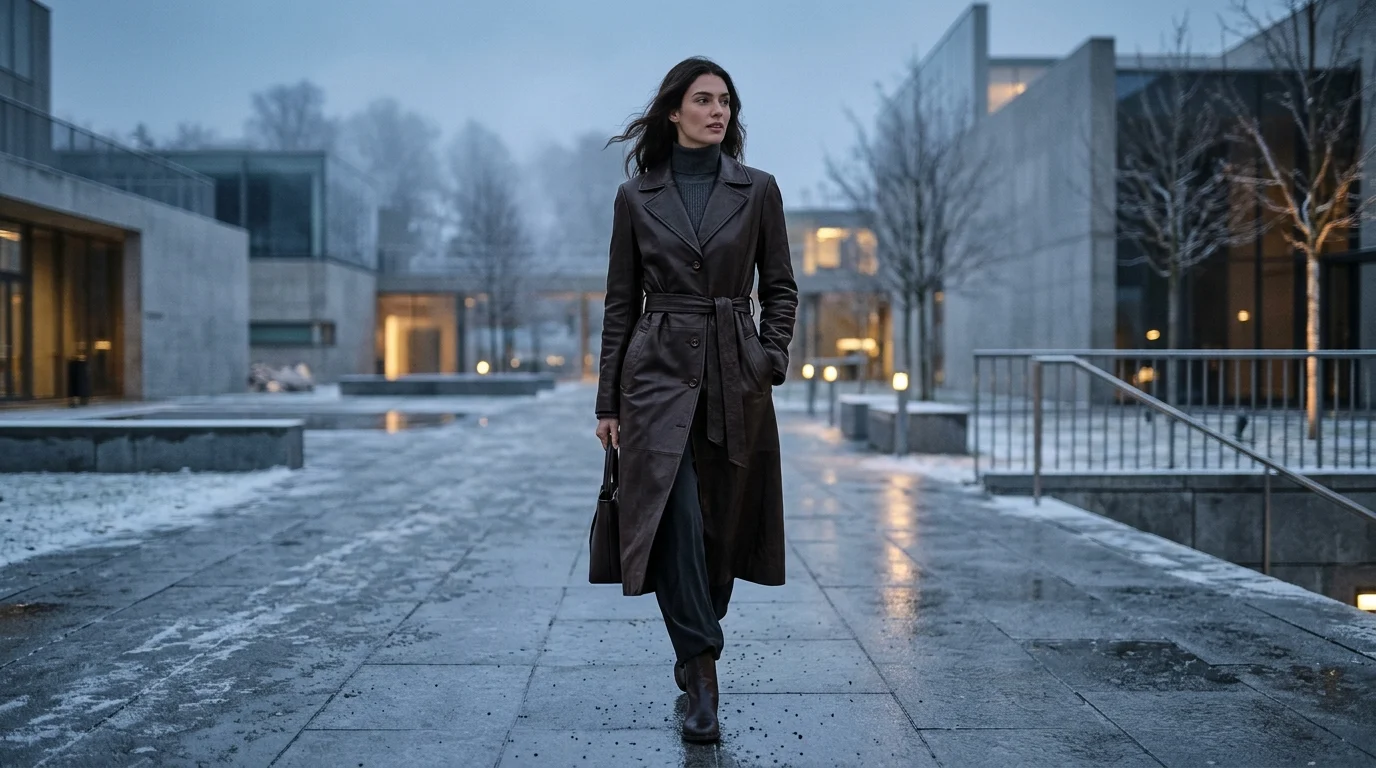
Is a Leather Overcoat Worth Buying for Winter Fashion in 2026?
Discover whether a genuine leather overcoat is worth buying in 2026. Explore winter warmth, hide durability, styling formulas, and artisan tailoring value.
Key Takeaways
- Superior Wind Resistance: A full-grain leather overcoat blocks freezing gale-force winds far more effectively than porous wool or cotton blends.
- Investment Longevity: Genuine cowhide and lambskin coats develop an heirloom patina over decades of wear rather than pilling or thinning like fabric outerwear.
- Layering Versatility: Tailored single-breasted leather overcoats transition effortlessly from corporate suits to relaxed heavyweight knitwear and casual streetwear.
- Thermal Mechanics: Pure leather provides an impenetrable exterior windbreak, while interior quilted satin linings retain vital core body heat in sub-zero weather.
- Artisan Value Advantage: Handcrafted made-to-order leather coats eliminate luxury retail markups while offering bespoke shoulder, chest, and sleeve proportions.
Investing in a full-length or three-quarter leather overcoat represents one of the most defining style decisions an outerwear enthusiast can make for cold-weather dressing. As winter fashion in 2026 moves decisively toward architectural silhouettes, quiet luxury tailoring, and heirloom natural materials, the classic leather overcoat has surged to the forefront of modern wardrobes. Searchers seeking a commanding cold-weather layer want to know whether a genuine leather coat justifies its investment, how it performs against freezing winds, and how to style its extended length across diverse everyday settings. Exploring the craftsmanship, thermal properties, and longevity of genuine hides reveals why this iconic garment continues to outshine conventional wool overcoats and synthetic puffers.
Is a Leather Overcoat Worth Buying for Cold Winter Weather?
A genuine leather overcoat is thoroughly worth buying for winter weather because its dense hide grain creates an impenetrable barrier against biting wind chill while resisting surface moisture. Handcrafted full-grain leather outer shells stop freezing drafts completely, allowing warm air trapped within the interior quilted lining to insulate your core during harsh seasonal temperature drops.
Wool overcoats and cashmere blends look refined in dry conditions, yet cold winter gusts penetrate porous fabric weaves with ease. Down puffer jackets provide excellent loft and heat retention, but their delicate nylon shells tear easily on rough surfaces and deliver a bulky, overly casual aesthetic that clashes with tailored suits. A tailored leather overcoat bridges the divide between utilitarian weather defense and elite sartorial refinement. When crafted from robust mens leather coats or structured womens classic leather jackets, a leather coat repels wind, shrugs off light snow flurries, and maintains a clean vertical drape that flatters any physique.
The structural weight of an artisan leather coat distributes evenly across the collar and shoulders, creating a comforting sense of protection against the elements. Because natural animal hides adapt to your body heat over time, the coat gradually relaxes and molds to your personal posture. You gain an outerwear piece that performs with rugged durability while elevating your presence whether stepping into an executive boardroom or strolling through winter city streets at dusk.
How Warm Is a Genuine Leather Overcoat in Freezing Temperatures?
A genuine leather overcoat provides exceptional windproof warmth in freezing temperatures when constructed with a high-density satin or quilted thermal interior lining. The natural fibrous structure of animal hide blocks cold air transfer completely, while the insulated lining traps body heat to keep wearers comfortable in temperatures between twenty and forty-five degrees Fahrenheit.
Many first-time leather buyers mistakenly assume that hide alone generates thermal insulation. In reality, animal hide acts as an impermeable environmental shield rather than a heat generator. Leather prevents the convective heat loss caused by sub-zero winds stripping warmth away from your clothing layers. To achieve optimal comfort during deep winter freezes, pair your coat with a mid-layer such as a chunky merino wool turtleneck, a cashmere knit sweater, or a structured blazer.
Master leatherworkers design winter coats with adequate interior circumference to accommodate these insulating layers comfortably. Selecting a coat with high-grade polyester satin lining ensures smooth friction-free arm entry over textured winter knits. If you reside in an area subject to persistent sub-freezing temperatures, opting for quilted insulation or a shearling collar accentuates heat retention while preserving the streamlined exterior silhouette. For dedicated sub-zero environments, comparing this silhouette with cold-weather options like aviator jackets or relaxed casual jackets helps determine whether pure leather or shearling-lined outerwear best suits your regional climate.
Leather Overcoat vs Double Breasted Trench Coat Comparison
A single-breasted leather overcoat features a minimalist vertical button placket with clean lapels, delivering an understated aesthetic that emphasizes formal vertical lines. In contrast, a double-breasted leather trench coat incorporates overlapping front chest panels, waist belts, shoulder epaulets, and storm flaps that create dramatic visual volume inspired by historical military uniforms.
Choosing between a single-breasted overcoat and a belted trench coat depends on your aesthetic preference, body proportions, and styling habits. Single-breasted leather overcoats deliver an elongated, slimming vertical silhouette that lengthens the torso and flatters both petite and tall individuals. The absence of waist belts and extraneous flap pockets ensures that the coat hangs straight without bunching, making it the superior choice for layering over business tailoring and clean streetwear.
Double-breasted trench coats provide a cinematic presence reminiscent of classic noir films and European military outerwear. The overlapping front panels double the leather barrier across your chest, which provides additional wind protection when facing driving winter storms. However, the extra hardware, waist ties, and storm flaps add visual bulk around the midsection. If you prefer unbuttoned, open styling during transitional weather, a trench coat belt can hang awkwardly unless tied neatly behind the back. An overcoat hangs cleanly whether fully fastened or left unbuttoned to showcase layered knits underneath.
Outerwear Silhouette Comparison Table
| Silhouette Style | Formal Rating | Hemline Length | Primary Aesthetic | Shoulder Ease | Price Range USD |
|---|---|---|---|---|---|
| Tailored Leather Overcoat | High Formal / Smart Casual | Knee to Mid-Calf | Quiet Luxury & Minimalist | 1.5 - 2.0 inches | $249 - $399 |
| Double-Breasted Leather Trench | Smart Casual / High Fashion | Mid-Calf to Ankle | Dramatic & Cinematic Noir | 2.0 - 2.5 inches | $299 - $499 |
| Leather Duster Coat | Casual / Western Streetwear | Ankle Length | Rugged & Expansive Volume | 2.5 - 3.0 inches | $299 - $499 |
| Classic Leather Car Coat | Casual / Daily Commute | Mid-Thigh | Utilitarian & Understated | 1.5 - 2.0 inches | $149 - $249 |
Reviewing our detailed comparison of leather trench coat vs duster coat silhouettes offers further visual clarity on how extended hemlines alter proportions across different body types.
Which Leather Hide Is Best for a Winter Leather Overcoat?
Full-grain cowhide and supple lambskin represent the two premier leather hides for crafting an enduring, cold-weather overcoat. Full-grain cowhide measuring 1.1 to 1.4 millimeters provides maximum wind resistance, structural weight, and decades of puncture resistance, whereas 0.9 to 1.2 millimeter lambskin delivers immediate buttery drape, luxurious softness, and lightweight comfort.
Your lifestyle and climate determine which hide best serves your winter wardrobe needs. Cowhide represents the traditional gold standard for heavy outerwear subjected to rugged daily use. Its dense grain pattern withstands friction from subway seats, vehicle upholstery, and heavy shoulder bags without scuffing prematurely. While cowhide requires a brief initial break-in period to conform to your joints, it develops a deep, authentic patina that reflects years of personal journeys.
Full-grain lambskin caters to individuals who demand instant luxury, fluid movement, and effortless all-day wearability. Lambskin drapes softly around the torso and legs, moving gracefully with your stride rather than holding a rigid tubular shape. It feels remarkably light on the shoulders, making it ideal for urban professionals who spend substantial time driving, dining, or walking between heated indoor spaces. For those seeking balanced durability with textured grain, goatskin measuring 0.8 to 1.0 millimeters offers exceptional tensile resilience and natural pebbled grain that repels surface abrasion.
Material & Durability Matrix
| Leather Hide Type | Hide Thickness | Tensile Durability | Natural Suppleness | Wind Resistance | Price Range USD |
|---|---|---|---|---|---|
| Full-Grain Cowhide | 1.1 - 1.4 mm | Maximum Heavy Duty | Structured, Breaks In With Wear | Complete Impermeable Barrier | $249 - $399 |
| Full-Grain Lambskin | 0.9 - 1.2 mm | Refined High Tensile | Buttery Soft Immediate Drape | High Wind Block | $249 - $399 |
| Full-Grain Goatskin | 0.8 - 1.0 mm | Rugged Tear Resistant | Pliable Pebbled Flexibility | High Wind Block | $249 - $399 |
| Genuine Standard Leather | 1.1 - 1.4 mm | Reliable Everyday Wear | Moderate Initial Stiffness | Complete Impermeable Barrier | $149 - $249 |
Exploring our guide on how to spot real vs fake leather details the distinct pore structures and burnishing behaviors of authentic hides compared to fragile synthetic polyurethane imitations.
How Should a Leather Overcoat Fit Across Your Shoulders and Chest?
A properly fitted leather overcoat should align precisely with the natural edge of your acromion shoulder bone while providing 1.5 to 2.0 inches of ease across the chest. This tailored allowance ensures you can cross your arms comfortably and button the coat over a winter sweater or blazer without pulling at the button placket.
Fit architecture makes or breaks a long leather garment. When a coat is cut too tight across the shoulder girdle, the leather pulls taut across your upper back, causing the armholes to dig into your armpits and restricting natural movement. Conversely, an excessively oversized coat drops the shoulder seams down the bicep, causing the sleeve fabric to accordion awkwardly over the wrists and drowning your natural frame in excess weight.
Pay close attention to these three critical fit zones when evaluating an overcoat:
- The Shoulder Seam Edge: The seam joining the coat body to the sleeve must sit flat right where the curve of your shoulder transitions into the arm. Test this by reaching both hands forward; if the back leather feels uncomfortably strained, you require a half-size larger chest circumference.
- Chest and Torso Ease: With all buttons fully fastened, you should be able to slide a flat hand comfortably between your chest and the interior lining. If the front button placket bows open or pulls horizontal stress creases across the stomach, the coat lacks sufficient ease for winter layering.
- Sleeve Hemline Length: The cuff should terminate precisely at the base of your thumb knuckle when your arms hang relaxed at your sides. Because long coats lift slightly at the elbows when bending, this length prevents your sweater or shirt cuffs from being exposed to freezing drafts.
Consulting the comprehensive Lux Wearz size and fit guide before purchasing provides detailed measurement instructions to ensure your outerwear fits flawlessly from day one.
What Hardware and Button Construction Details Ensure Decades of Durability?
Heavyweight natural horn buttons anchored with interior stay buttons and reinforced buttonholes provide the most durable fastening architecture for a full-length leather coat. Reinforced thread shanks allow the thick hide placket to fasten securely without warping the buttonhole edges or putting excessive shear stress on the exterior leather face.
Mass-market garment factories frequently attach buttons directly through single-layer leather using automated chain-stitching without backing reinforcement. Under the physical strain of winter winds and natural body movement, unreinforced buttons quickly pull through the hide, tearing the leather surface irrevocably. Master craftsmen anchor every exterior horn button with an interior mother-of-pearl or composite stay button hidden behind the front facing. This dual-button anchor distributes pulling tension across both sides of the leather placket, guaranteeing that the button remains steadfast through decades of daily use.
Examine the pocket construction and lining finishing with equal scrutiny. Interior chest pockets should feature welted leather trim and heavy-duty YKK brass zippers to safeguard wallets, passports, and smartphones. Pocket bags built from heavy cotton twill resist fraying when carrying keys or pocket knives. Hand-stitched armholes and reinforced underarm gussets prevent seam separation when reaching or lifting luggage. These meticulous tailoring nuances distinguish genuine heirloom leatherwork from disposable high-street fashion, ensuring your coat endures through countless winter seasons.
How Does a Full Grain Leather Overcoat Age and Break In Over Time?
A full-grain leather overcoat breaks in by absorbing body warmth and ambient humidity, gradually softening around high-mobility stress points while developing an individual micro-crease pattern. Over months of regular wear, natural surface oils rise to the grain, generating a deep lustrous patina that accentuates the organic character of the hide.
Understanding the break-in timeline helps buyers appreciate the evolutionary beauty of genuine animal hides:
- Weeks One Through Three (The Formative Phase): Initial wear feels firm and structured, particularly across the shoulder blades, upper back, and inner elbows. Wearing the coat for short daily errands or indoor commutes accelerates break-in by warming the leather fibers to body temperature.
- Months One Through Six (The Custom Contouring Phase): The leather relaxes significantly, draping naturally over your chest contours and waistline. Gentle accordion creases settle permanently into the sleeves and forearm breaks, mirroring your unique arm curvature.
- Years One and Beyond (The Heirloom Patina Phase): High-friction zones such as pocket edges, lapel rolls, and collar folds develop a darker, radiant burnish known as natural patina. Minor surface marks blend seamlessly into the grain, giving the coat an authentic vintage aura that cannot be replicated artificially.
Unlike synthetic alternatives that degrade, peel, and crack after two seasons, authentic leather appreciates in visual prestige. A well-constructed overcoat becomes an intimate reflection of your journeys, standing as a testament to conscious craftsmanship and sustainable investment dressing.
5 Foolproof Outfit Formulas for Styling a Leather Overcoat in 2026
Styling a leather overcoat requires balancing the garment's substantial visual presence with complementary textures, restrained color palettes, and deliberate proportion play. Because a full-length coat commands immediate attention, keeping the foundation layers clean and cohesive produces a sophisticated, modern appearance.
Here are five verified outfit formulas tested by contemporary fashion stylists for diverse seasonal occasions:
1. The Monochromatic Executive Tailoring Look
Pair a deep black lambskin leather overcoat with a charcoal grey two-piece wool suit, a crisp white poplin shirt, and a black silk knit tie. Anchor the foundation with polished black leather Oxford shoes. The smooth sheen of the lambskin hide creates a striking textural contrast against the matte texture of worsted wool, projecting commanding executive presence in professional environments. When dressing for executive meetings, choosing refined options from our mens classic leather jackets provides timeless corporate sophistication.
2. The Quiet Luxury Cashmere Layer
Combine a rich espresso brown cowhide overcoat with an oatmeal or cream cable-knit cashmere turtleneck, tailored camel flannel trousers, and dark brown Chelsea boots. The warm earth tones harmonize effortlessly, softening the structured profile of the leather coat while delivering exceptional thermal comfort during cold weekend outings. Discover our analysis of why espresso brown leather jackets dominate streetwear for additional tonal pairing concepts.
3. The Elevated High-Low Streetwear Ensemble
Layer an unbuttoned black leather overcoat over an optic white heavyweight cotton hoodie, relaxed straight-leg washed blue denim, and vintage low-profile court sneakers. The contrast between casual athletic streetwear basics and luxury full-grain leather produces the effortless off-duty aesthetic favored by modern creative tastemakers. Styling this alongside pieces from our mens bomber flight jackets collection allows you to experiment with layered outerwear proportions.
4. The Fluid Slip Dress Evening Contrast
Drape a tailored leather overcoat over a bias-cut black silk midi slip dress and knee-high pointed-toe leather boots. The juxtaposition between delicate, flowing silk and structured, protective leather creates immediate visual intrigue for evening dinners, gallery openings, and theater outings. Women looking for statement pieces can also explore our curated womens leather jackets to discover complementary silhouette alternatives.
5. The Rugged Winter Commuter Build
Wear a durable dark brown cowhide overcoat buttoned up with a charcoal ribbed wool beanie, a chunky waffle-knit henley, raw selvedge denim jeans, and heavy-duty Goodyear-welted leather boots. Complete the look with full-grain leather accessories such as lined leather gloves and a handcrafted leather belt. Pairing this ensemble with everyday staples from our broader mens leather jackets range ensures effortless cold-weather versatility.
How to Care for and Protect a Full Length Leather Coat in Winter
Caring for a full-length leather overcoat requires regular surface dusting, prompt moisture wiping after rain or snow exposure, and bi-annual conditioning with wax-free leather balms. Proper seasonal maintenance prevents natural hides from drying out, stiffening, or developing salt stains caused by slush on winter sidewalks.
Winter urban environments present unique hazards to extended leather hemlines. Road salt kicked up by vehicle tires and damp sidewalk snow can deposit mineral lines near the lower hem of an ankle- or knee-length coat. Follow these artisan maintenance protocols to keep your leather supple for decades:
- Snow and Moisture Protocol: Never expose damp leather to artificial heat radiators, blow dryers, or direct sunlight. If caught in a sudden winter storm, hang the coat on a wide, contoured wooden hanger in a well-ventilated room at room temperature, allowing the moisture to evaporate naturally.
- Salt Stain Neutralization: If road salt leaves white residue along the bottom hem, mix one part white distilled vinegar with three parts distilled water. Dampen a clean microfiber cloth with the solution, gently dab the affected leather to dissolve the minerals, and wipe dry immediately with a clean cloth.
- Deep Conditioning Schedule: Apply an all-natural, wax-free leather conditioner once in autumn before winter begins and once in early spring before long-term closet storage. Gentle circular massage distributes natural oils into the hide fibers, preventing winter moisture loss and crack formation.
- Off-Season Storage Hygiene: Never store a leather overcoat inside a non-breathable plastic garment bag. Enclose the coat in a breathable cotton garment cover and store it in a temperature-regulated closet away from persistent humidity.
Review our official leather care guide for comprehensive step-by-step cleaning protocols recommended by master artisans.
Why Handcrafted Bespoke Sizing Elevates Your Overcoat Investment
Opting for handcrafted made-to-order tailoring ensures that your leather overcoat matches your exact torso length, shoulder span, and sleeve measurements without requiring expensive aftermarket alterations. Bespoke construction eliminates common off-the-rack sizing defects such as dragging hemlines, tight armholes, or button gaping.
Mass-market retail brands produce outerwear based on generic standardized sizing models that rarely accommodate individual body proportions. Tall individuals often struggle with sleeves that terminate inches above the wrist, while individuals of shorter stature find full-length coats dragging awkwardly below the calf. Lux Wearz resolves this challenge through individualized custom tailoring, where our master artisans modify paper patterns specifically for your physical profile.
Every made-to-order commission allows clients to select customized leather hide options, personalized lining colors, and specialized pocket configurations. Whether you need an extended sleeve length, broader chest allowance, or a specialized interior pocket for your smartphone, our custom order service transforms your vision into an heirloom reality. Explore our custom made-to-order jackets to collaborate directly with our tailoring team.
Looking for this trending silhouette? Explore our complete collection of handcrafted leather jackets with complimentary shipping across the USA. If you have questions regarding leather weights or fit specifications, consult our frequently asked questions for comprehensive ordering details.
Explore The Full 2026 Leather Outerwear Collection
Vegetable-tanned full-grain cowhide, buttery New Zealand lambskin, and heritage Melton wool. Free express delivery across the USA with 30-day hassle-free returns.