
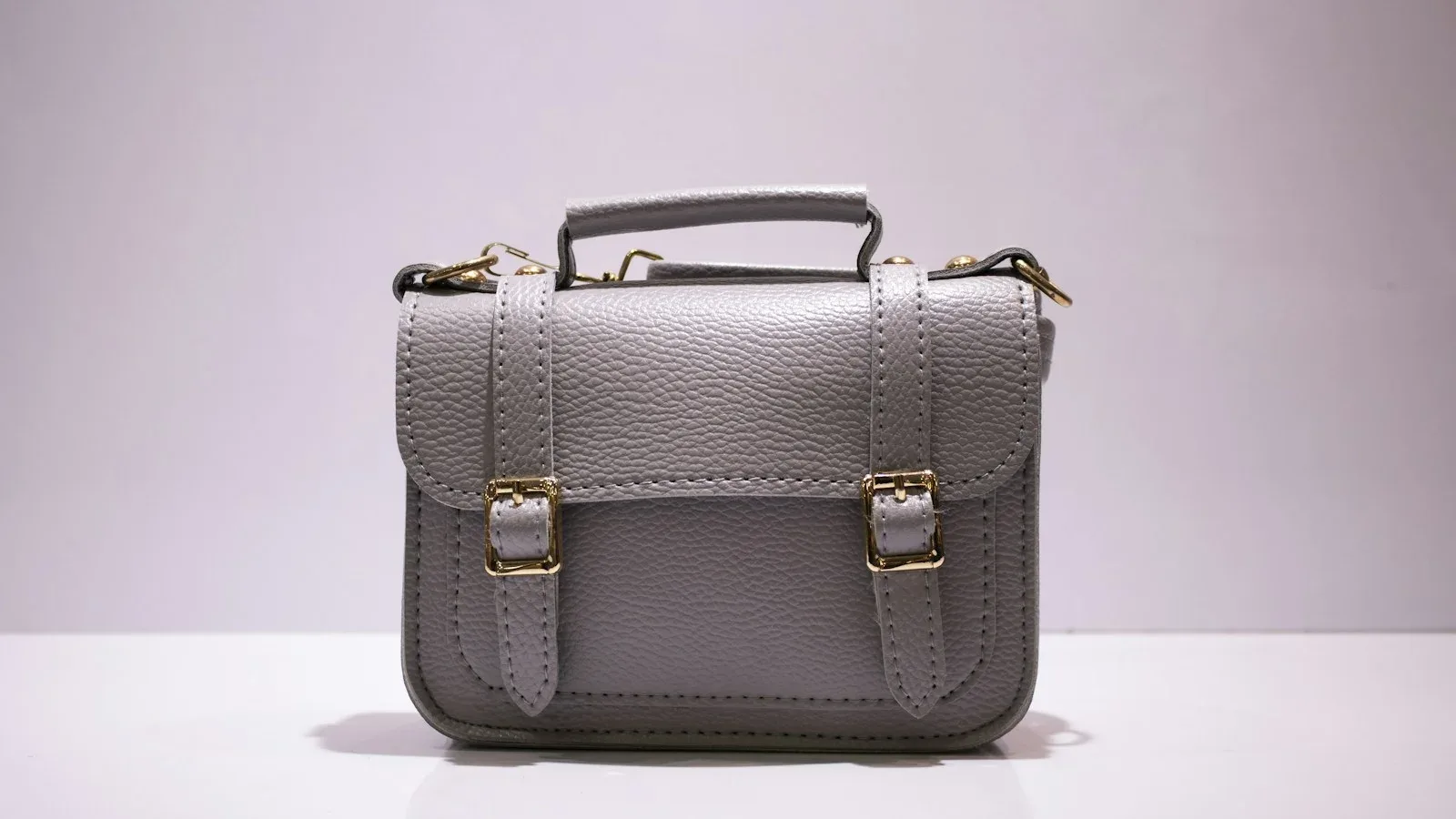
Leather Bags and Backpacks: What to Look For Before You Buy
A bag is judged over years, not seasons. Which leather holds up to daily carrying, how to read stitching, hardware, base and straps on a product page, and which style fits how you actually move through your day.
A leather bag is judged on a different timescale from almost anything else you buy. A jacket you wear a few days a week; a bag you carry every day, load with weight, set down on floors, and expect to look better rather than worse after five years. That makes the buying decision less about how a bag looks on a product page and more about how it is built. This guide covers what to look for, style by style, so the bag you choose is the one you are still carrying in a decade. For everyday carry habits once you own one, read our guide to using a leather bag every day.
Start with how you carry
Before leather and hardware, be honest about your day.
- Laptop and papers every day points to a structured backpack or a tote with a padded compartment and a firm base.
- Phone, wallet, keys and not much else points to a crossbody or a small shoulder bag.
- Weekends and short trips point to a duffel or holdall.
- Hands free, on a bike or on public transport points to a backpack or crossbody with a secure closure.
A bag bought for the wrong job gets left at home no matter how beautiful it is.
The leather
The same hides that make jackets make bags, and they behave the same way under load.
Full-grain cowhide is the workhorse: thick, structured and abrasion-resistant, it holds a bag's shape and ages into a deep patina. It is the leather for bags that get set down on floors and thrown into car boots.
Pebbled or grained lambskin and calfskin is softer and lighter, with a texture that hides small marks well. It suits slouchier totes, foldover backpacks and shoulder bags where drape matters more than rigidity. It scuffs more readily than cowhide on the corners, so look for reinforced feet or a base panel.
Smooth calfskin is fine, even and formal. It shows scratches more than grained leathers, which is why it is more common on wallets and evening bags than on daily workhorses.
Suede is beautiful and impractical for a daily bag. It stains, absorbs and flattens where it rubs. Reserve it for occasional use, and protect it before you carry it.
On the product page, look for the animal and the finish. "Full-grain" and "pebbled" are specific and reassuring; "genuine leather" alone tells you only that it is not synthetic.
Construction: what separates a good bag from a great one
Stitching. Even, tight, straight stitches with no loose threads. Look closely at stress points: where the handles meet the body, where the strap attaches and at the corners. Double stitching or reinforced bar-tacks there are a sign the maker expected the bag to carry weight.
Edges. Edge paint or turned, burnished edges finish the raw cut of the leather. Painted edges should be smooth and even, with no cracking. Raw, unfinished edges on a structured bag are a shortcut.
Hardware. Zips, buckles, clasps and rivets should feel solid and operate smoothly. Metal that is thin or rattles will be the first thing to fail. Matching hardware across a bag, all silver-tone or all brass, is a small tell of care.
Lining. A lined interior protects the leather from pens and keys and makes the bag easier to clean. Cotton twill, canvas and microsuede are common; a lining that is glued rather than stitched can bubble over time.
Base and feet. A firm base panel keeps a bag standing and protects the bottom. Metal feet lift the leather off wet floors and are the single most under-appreciated feature on a daily bag.
Weight. Lift it if you can, or check the listed weight. Heavy leather and hardware add up before you have put anything inside.
The styles
Backpacks
The most practical daily leather bag, and the one where construction matters most because the load is highest. Look for padded, adjustable straps with reinforced anchor points, a padded back panel, an internal laptop sleeve if you carry one, and a top closure that is secure but quick. Foldover and drawstring styles in soft pebbled leather are less structured and lighter; zip-top styles in cowhide hold their shape and protect contents better. Browse leather bags and backpacks.
Totes
Open-top or zip-top, carried by hand or over the shoulder, and the most versatile shape for work. A firm base and a reinforced handle attachment are essential if you carry a laptop. An interior zip pocket keeps small items from disappearing to the bottom. Unlined totes in thick cowhide age beautifully but offer no protection from a leaking pen.
Shoulder bags and crossbodies
For the essentials. The strap is everything: it should be wide enough to be comfortable, adjustable, and attached with hardware that will not pull through the leather. A crossbody with a secure zip or flap closure is the right bag for crowded transport and travel.
Duffels and holdalls
Weekend luggage in leather. Look for a structured base, sturdy handles with a wrap, a detachable shoulder strap and a wide zip opening. A duffel that collapses when empty is harder to pack; a firm base panel solves it.
Briefcases and messenger bags
The professional shapes. A briefcase should stand on its own, hold documents flat and close securely. A messenger sits on the hip with a flap or zip and is more casual. Both benefit from a padded compartment for electronics.
Details worth checking on any product page
- Interior and exterior pocket count, and whether any zip closed.
- Whether the strap is detachable or adjustable, and its drop length.
- Dimensions, and whether your laptop or documents will fit; measure them.
- Closure type: zip, magnetic snap, flap with buckle, or open.
- Weight of the empty bag.
- Whether the leather is described by animal and finish.
Colour
Black and dark brown are the enduring choices for a daily bag and hide wear best. Tan and cognac develop the most character but show marks sooner. Bright colours suit smaller, occasional bags. If you own one leather bag, buy it in a colour that matches the shoes and belts you wear most; if you own several, this is where the interesting colours go.
Caring for a leather bag
Bags take more abuse than jackets, so care matters more. Wipe with a dry cloth after wear; condition smooth leather two or three times a year; keep suede protected and brushed. Do not overfill a structured bag, which stretches the leather and stresses the seams. Store it stuffed lightly with paper, in a breathable dust bag, never in plastic and never hanging by its straps for long periods. Our leather care guide covers each material.
The short version
Decide what you carry and how. Choose full-grain cowhide for structure and longevity, pebbled lambskin or calfskin for softness and lightness. Inspect the stitching at the stress points, the hardware, the base and the strap anchors, because those are where bags fail. Then buy the colour you will carry every day. If your daily work demands executive organization and laptop protection, explore our investment analysis on whether a leather briefcase is worth buying for modern careers. Travelers comparing weekend luggage should also consider whether is a leather duffle bag worth buying for travel for upcoming journeys.
Browse the collection of leather bags and backpacks, and for the pieces that go inside them, read our guide to leather wallets, belts and gloves.
Explore The Full 2026 Leather Outerwear Collection
Vegetable-tanned full-grain cowhide, buttery New Zealand lambskin, and heritage Melton wool. Free express delivery across the USA with 30-day hassle-free returns.