
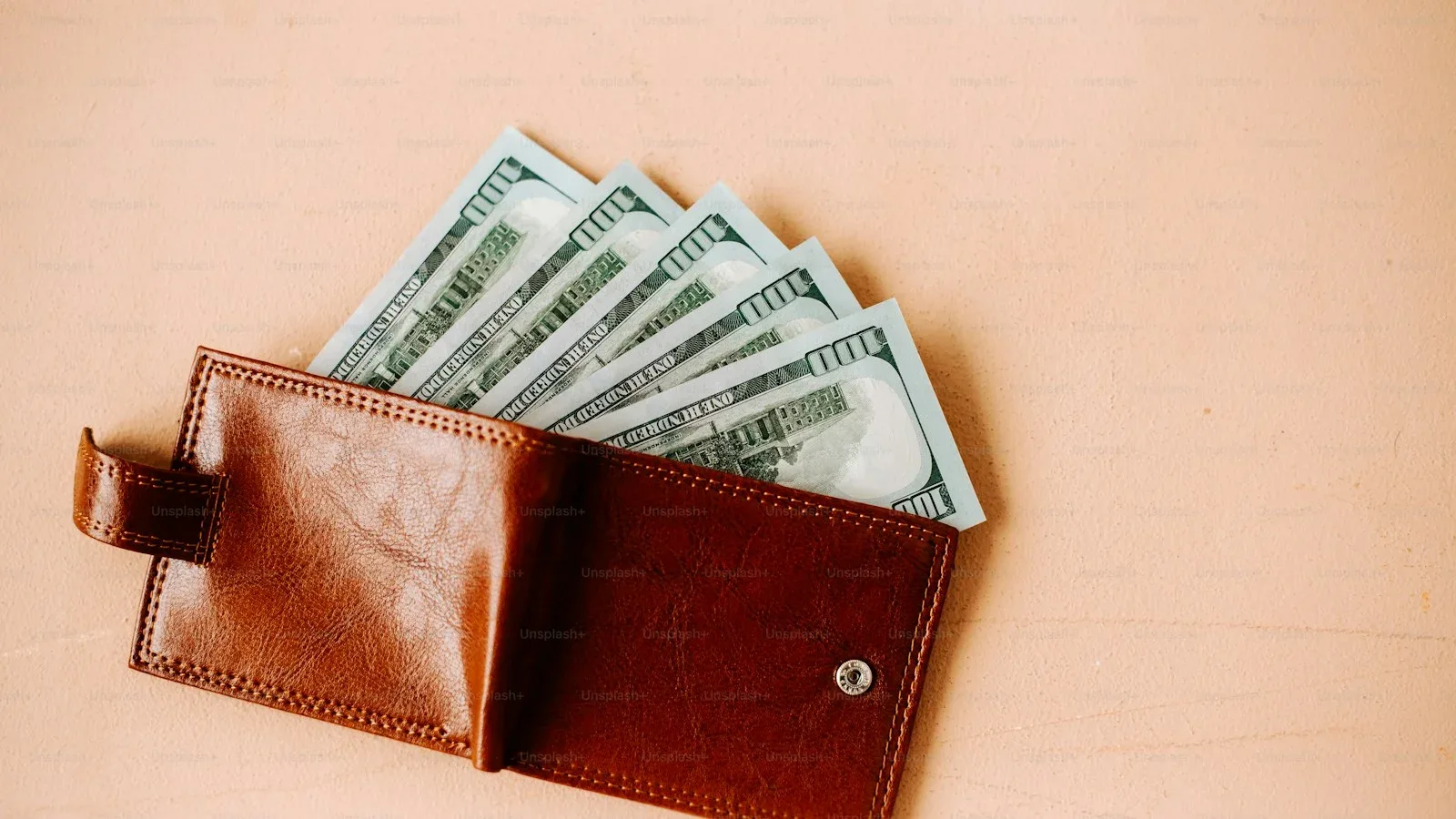
Leather Wallets, Belts and Gloves: The Accessories Buying Guide
The leather goods you touch most and think about least. Which format and hide suit a wallet, how to spot a bonded belt, why deerskin and goatskin gloves do different jobs, and how to size and care for each.
Wallets, belts and gloves are the leather goods you touch most and think about least. They are also where quality is easiest to feel and hardest to fake: a wallet is folded thousands of times, a belt is under tension all day, and a glove has to be soft enough to move in and tough enough to grip with. This guide covers what to look for in each, which leathers suit each job, and how to make them last.
Wallets and cardholders
Choose the format first
- Cardholder. Two to six card slots, sometimes a centre pocket for folded notes. Slim, sits flat in a front pocket, and the format most people end up preferring once they try it.
- Bifold. The classic: card slots on both sides, a full-length note section, sometimes a coin pocket. Roomier and thicker.
- Trifold. Folds twice, so more card capacity in a smaller footprint, but bulkier when full.
- Long or breast wallet. Holds notes unfolded and many cards; sits in a jacket pocket or a bag, not trousers.
- Zip wallets and coin purses. For anyone who carries cash and coins.
Count what you actually carry. A wallet with twelve slots and four cards in it is a bulky wallet.
The leather
Wallets are folded constantly at the same points, so the leather needs to be fine, strong and able to crease without cracking. Smooth calfskin is the classic: fine-grained, clean and formal, developing a gentle sheen at the folds. Pebbled leather hides scratches better and suits everyday use. Full-grain cowhide makes a heavier, more rugged wallet that patinas dramatically. Very thin, glossy "genuine leather" without a named animal or finish tends to peel at the fold within a year.
Construction
Look for edge paint or burnished edges that are smooth and unbroken, stitching that is fine and even along the card slots, and slots that are tight enough to hold a card but not so tight the leather stretches out of shape. A lining of leather or fine fabric inside the note section lasts longer than a bare interior. Browse wallets and cardholders.
Care
Do not overfill it, which stretches the slots permanently. Wipe occasionally with a dry cloth and condition once a year with a very small amount of conditioner. Keep it out of back pockets if you can; sitting on a wallet all day is the fastest way to warp it.
Belts
Dress or casual
A dress belt is slimmer, in smooth leather, with a plain, slim buckle, and matches your shoes: black with black, brown with brown. A casual belt is wider, often in thicker or textured leather, with a heavier buckle, and has more freedom in colour and finish.
The leather
A belt is under tension all day and bent at the buckle every time you fasten it, so the leather has to be dense. Full-grain cowhide is the standard for good reason: it does not stretch or crack, and it develops character where it bends. Belts described as "bonded" or "genuine leather" with no other detail are often layers of lesser leather glued together, and they split at the holes and delaminate at the edges within a couple of years.
A quick check: a single-piece full-grain belt shows a uniform leather edge when you look at the cut side. A bonded belt shows layers.
The buckle and hardware
The buckle should be solid metal, not plated plastic, and should sit flat. A roller buckle glides over the leather and reduces wear at the fastening point. Studs, rivets and eyelets on casual belts should be set firmly with no lifting. Nickel and brass are the classic finishes; match them to the hardware on your bag or jacket if you care about such things. See leather belts.
Sizing
A belt should fasten on the middle hole with two or three holes to spare on either side. Most belts are sized to a waist measurement in inches or by small, medium and large; the product page will state which, and measuring a belt you already own from the buckle fold to the hole you use is the most reliable guide.
Care
Hang belts or lay them flat rather than coiling them tightly. Condition once a year. If a belt gets wet, dry it flat at room temperature, never on a radiator, or it will curl.
Gloves
The job decides the leather
Gloves are where the choice of hide matters most, because it decides both how the glove feels and what it can do.
- Lambskin is the classic dress glove: fine, supple and elegant, often with a thin lining. It is the softest option and the least hard-wearing.
- Deerskin is exceptionally soft and, unusually, stays supple in the cold. That is why it is the traditional choice for driving gloves, where grip and feel on a wheel matter.
- Goatskin is tougher and more weather-resistant, with a fine pebble grain that hides wear. Goatskin shells lined with shearling are the serious cold-weather option.
- Shearling-lined gloves of any shell leather are the warmest, because the wool traps air against the hand.
Browse the range of leather gloves.
Lining
Unlined gloves are the most dexterous and the least warm. Silk and cashmere linings add warmth without bulk. Wool and fleece are warmer still. Shearling is the warmest and the bulkiest. Match the lining to your climate rather than buying the warmest and finding you cannot use your phone.
Touchscreen compatibility
Many modern gloves add conductive material to the fingertips so you can use a phone without taking them off. It is a genuinely useful feature and worth looking for; it does not change how the glove feels otherwise.
Fit
A leather glove should fit snugly across the palm and fingers when new, with no excess length at the fingertips, because leather gloves relax and mould to your hands with wear. If they feel comfortable and slightly loose on the first try, they will be too big within a month. Quilting and stitch patterns on the back of the hand add a little give.
Care
Let wet gloves dry flat at room temperature, shaping the fingers gently as they dry. Do not wring them and do not put them near heat. Condition smooth leather gloves lightly once a season. Suede gloves follow suede rules: protector spray and a brush.
Buying accessories as a set
Matching your belt to your shoes is the one rule that still holds in formal dressing. Beyond that, coordinating the leather colour and hardware finish across wallet, belt, bag and watch strap is a quiet way to look considered without trying. It is also the argument for choosing a single family, black or a shade of brown, for your everyday accessories and letting jackets and bags carry the colour.
For the bags those accessories go into, read our guide to leather bags and backpacks, and for the differences between the hides, our comparison of lambskin, cowhide and goatskin. Ready to look? Start with the full collection of leather accessories.
Explore The Full 2026 Leather Outerwear Collection
Vegetable-tanned full-grain cowhide, buttery New Zealand lambskin, and heritage Melton wool. Free express delivery across the USA with 30-day hassle-free returns.