
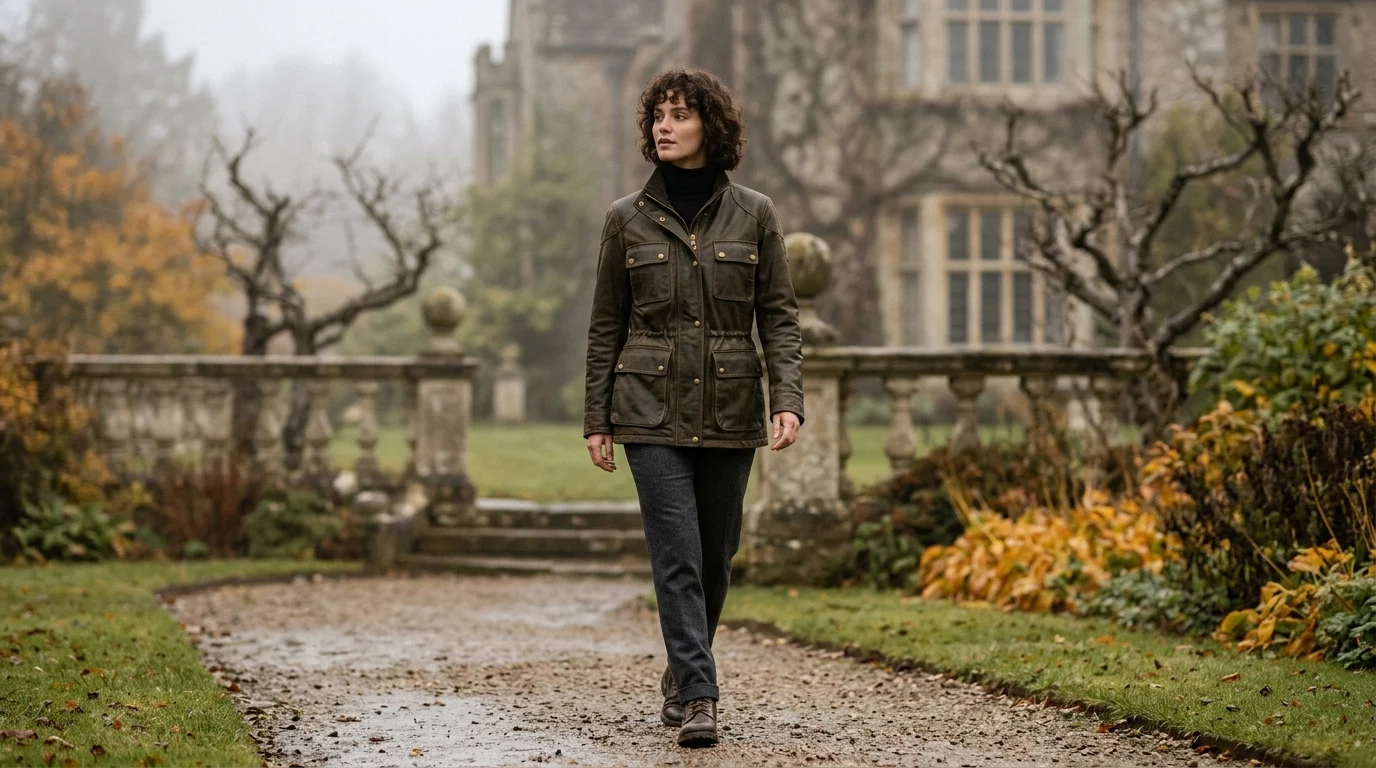
How to Style a Leather Field Jacket 2026 M65 Utility Guide
Master styling the leather field jacket in 2026. Explore M-65 military heritage, 10 viral outfit formulas, steerhide hide specs, cinch rules, and care guides.
The leather field jacket represents the ultimate intersection of rugged military heritage, uncompromising utilitarian function, and refined sartorial luxury. Originating from the iconic M-1965 (M-65) field coat commissioned by the United States Armed Forces for soldiers operating in damp, fluctuating jungle and temperate climates, this four-pocket silhouette was engineered to provide weatherproofing, cavernous storage, and adjustable thermal insulation. When reimagined in premium full-grain steerhide, supple lambskin, or rich pull-up calfskin, the field jacket sheds its utilitarian canvas origins to become an authoritative luxury statement. In 2026, as fashion moves decisively toward quiet utility, tactile durability, and timeless heritage outerwear, the leather M-65 has emerged as a commanding favorite among discerning dressers in Milan, London, Tokyo, and New York.
Key Takeaways & Buying Summary
- The Definitive Military DNA: An authentic leather field jacket is defined by four prominent front bellows or cargo pockets with flap closures, a protective stand collar (often housing an emergency stowaway hood), a heavy-duty front zip covered by a snap storm flap, and internal waist and hem drawstrings.
- Optimal Hide Selection: Rugged 1.2–1.4mm vegetable-tanned steerhide or oil-tanned pull-up cowhide provides an indestructible wind barrier that molds to your torso over years of wear, while 1.0–1.2mm calfskin delivers refined drape for office and urban commuting.
- Architectural Silhouette Adjustments: Internal drawstring cinches allow you to alter the jacket's silhouette dynamically—pull the waist cinch tight to create an hourglass European taper, or leave it relaxed for a boxy, archival workwear aesthetic.
- Sartorial Layering Capacity: Because military M-65 patterns were historically cut with generous room for thermal quilted liners, modern leather field jackets offer 2.5 to 3.0 inches of chest ease, making them the superior choice for layering over thick knitwear and tailored suits.
- Artisan Hardware Standards: Ensure all pocket snaps are reinforced with interior leather backing washers and that the front zipper is a heavy-duty two-way #8 or #10 antique brass zipper with a storm flap to block wind penetration.
What Is a Leather Field Jacket and Why Is It Trending in 2026?
A leather field jacket is an archival military-inspired outerwear coat featuring four expandable front bellows flap pockets, a stand collar, a storm flap closure, and internal waist cinching cords. The 2026 trend represents a major sartorial shift toward functional luxury and lifetime utility, replacing thin fast-fashion jackets with multi-pocket leather armor that effortlessly balances rugged outdoor performance with refined city tailoring.
Historically, military surplus jackets were crafted from water-repellent cotton-nylon sateen. While functional in field combat, cotton canvas lacks the natural windproof density, thermal insulation, and generational patina of authentic leather. When crafted from full-grain cattle hides, the field jacket becomes a fortress against winter elements while projecting the worldly cool of mid-century cinematic icons like Robert De Niro in Taxi Driver and Steve McQueen on motorcycle expeditions.
In modern urban environments, the field jacket solves the modern commuter's daily carry dilemma. The four exterior pleated pockets easily accommodate passports, smartphones, leather wallets, keys, and eyewear without bulging unsightly against your torso. This tactile utility, coupled with its hip-length silhouette, makes the leather field jacket the ultimate multi-season outerwear anchor.
For comparisons with other mid-length silhouettes, explore our comprehensive leather car coat buying and styling guide.
What Are the Key Design Variations of the Leather Field Jacket?
Understanding the primary design variations of the leather field jacket allows you to choose between strict military authenticity, vintage motorcycle trialmaster styling, or streamlined modern minimalism. Over six decades of civilian evolution, designers have adapted the classic M-65 pattern into distinct silhouettes that serve diverse lifestyle requirements.
Here is the master leathercraft breakdown of the four dominant field jacket cuts:
- The Authentic Military M-65 Leather Jacket: Staying faithful to the 1965 military specification, this cut features shoulder epaulets, a zip-around stand collar with a concealed hood, bi-swing back shoulder gussets for unrestricted arm reach, four bellows pockets, and dual internal cinch cords at the waist and bottom hem.
- The Belted British Safari & Trialmaster Cut: Sourced from European motorcycle expeditions and safari adventures, this variation adds an external leather waist belt with a brass roller buckle, an angled map chest pocket on the left breast, and a throat latch buckle on a shorter mandarin collar.
- The Modern Minimalist Utility Jacket: Streamlining military details for executive settings, this style removes the shoulder epaulets and stowaway hood, replacing heavy bellows pockets with clean, low-profile patch pockets and concealed horn buttons.
- The Waxed Suede Field Coat: Crafted from heavy split cow suede or nubuck treated with paraffin waxes, this variation offers a velvety matte texture with extreme water repellency, favored for countryside sporting and rustic weekend escapes.
Compare these military silhouettes against aviation classics in our modern bomber jacket styling guide.
Table 1: Field Jacket Silhouette and Lineage Comparison Matrix
| Silhouette Cut | Military/Sporting Lineage | Pocket Configuration | Waist Adjustment Mechanism | Collar Architecture | Optimal Climate & Temperature | Recommended Price Range (USD) |
|---|---|---|---|---|---|---|
| Authentic M-65 Field | US Military Armed Forces (1965) | 4 expandable pleated bellows pockets | Dual internal elastic/cotton drawstrings | Tall stand collar with zip hood | Cold/Windy; 25°F to 55°F (-4°C to 13°C) | $480 – $850 |
| Belted Trialmaster | British Motorcycle Trials (1948) | 4 patch pockets with angled left map pocket | External full-grain leather waist belt | Throat-latch buckled mandarin collar | Transitional; 35°F to 65°F (2°C to 18°C) | $520 – $950 |
| Minimalist Executive | Continental Tailoring Adaptation | 4 flat welt/patch pockets with hidden snaps | Hidden interior side cinch tabs | Clean shirt-style fold-down collar | Smart-Casual; 40°F to 65°F (4°C to 18°C) | $450 – $780 |
| Waxed Suede Safari | East African & European Sporting | 4 gusseted cargo pockets with pleats | Internal drawstring or rear half-belt | Fold-over collar with storm latch | Damp/Rugged; 30°F to 60°F (-1°C to 15°C) | $490 – $880 |
Which Leather Hide and Hardware Standards Define a High-End Field Jacket?
Selecting the ideal leather hide and hardware components for a field jacket is essential because multiple pockets, storm flaps, and drawstrings create high stress across seam junctions. Because a field jacket carries substantial hardware and layered pocket bellows, lightweight fashion sheepskin will sag and distort under pocket weight, whereas dense steerhide, vegetable-tanned cowhide, and pebble goatskin maintain their sharp architectural silhouette for decades.
At Lux Wearz, our master artisans build field jackets to exacting empirical benchmarks:
1. Full-Grain American Steerhide (1.2mm – 1.4mm)
Steerhide represents the ultimate material for an authentic field jacket. Sourced from mature cattle, it features a dense fibrous corium layer that yields tensile strength exceeding 29.0 MPa. At 3.0 to 3.5 ounces per square foot, a steerhide M-65 provides unmatched wind and abrasion resistance. Body heat softens the hide over months of wear, developing distinctive honey-and-amber creasing across the elbows and pocket flaps.
2. Oil-Tanned Pull-Up Cowhide (1.1mm – 1.3mm)
Infused with hot natural waxes and tallow oils during drum tanning, pull-up cowhide creates dramatic visual depth. As you fill the bellows pockets or cinch the waist cord, internal oils migrate beneath the surface, revealing lighter undertones that highlight the jacket's structural contours. Minor surface scratches heal naturally when rubbed with warm fingertips.
3. French Calfskin (1.0mm – 1.2mm)
For those who prioritize supple drape and boardroom refinement over rugged trail exploration, French calfskin offers tight pore structure, smooth grain luster, and exceptional elegance without sacrificing seam tear resistance.
4. Heavy-Duty Hardware and Pocket Reinforcements
Every pocket flap on a Lux Wearz field jacket is secured with heavy-duty brass snaps anchored through interior leather backing washers. The central closure features an industrial two-way YKK #8 or #10 antique brass zipper with oversized pull tabs designed for gloved operation, shielded by a full-length snap-down storm flap.
Learn how to evaluate leather grain integrity and tanning methods in our workshop guide on how to spot real vs fake leather.
Table 2: Material and Craftsmanship Durability Matrix
| Leather Hide Type | Hide Thickness (mm) | Tensile Strength (MPa) | Pocket Gusset Stitching Spec | Lining Vapor Permeability | Wind & Water Repellency | Patina Maturation Rate |
|---|---|---|---|---|---|---|
| American Steerhide | 1.2 – 1.4 mm | 29.0 – 32.5 MPa | 6–7 SPI / Heavy V-92 Bonded Nylon | >2,200 g/m²/24h (Cotton Twill) | Exceptional; impermeable wind shield | 6–18 months (deep marbled creasing) |
| Pull-Up Cowhide | 1.1 – 1.3 mm | 27.0 – 29.5 MPa | 7–8 SPI / Bonded V-69 Nylon | >2,300 g/m²/24h (Cupro Blend) | Very High; wax-infused barrier | 3–6 months (dynamic color-shift) |
| French Calfskin | 1.0 – 1.2 mm | 23.5 – 25.5 MPa | 7–8 SPI / Bonded V-69 Nylon | >2,600 g/m²/24h (Cupro Bemberg) | High; smooth natural glaze | 12–24 months (rich satin luster) |
| Waxed Goat Suede | 1.0 – 1.2 mm | 24.0 – 26.0 MPa | 7–8 SPI / Bonded V-69 Nylon | >2,400 g/m²/24h (Flannel Cotton) | Very High; paraffin wax barrier | 6–12 months (rustic burnished patina) |
How Should a Leather Field Jacket Fit and How Do You Use the Cinch Cords?
Fitting a leather field jacket properly requires balancing shoulder alignment with sufficient chest ease to allow layering over heavy winter knitwear and blazers. Because original military specifications were designed for loose combat utility, an unfitted leather field jacket can look overly boxy if you do not understand how to adjust its internal waist and hem drawstrings.
Follow our workshop fitting protocol:
- The Shoulder Seam Anchor: Ensure the jacket's shoulder seam sits right at the outer edge of your shoulder bone when wearing a medium sweater. If the shoulder seam droops more than 1.0 inch down your upper arm, the jacket is too large and will create an excessively slouchy drape.
- The Chest Layering Allowance: Fasten the front zipper and snap the storm flap over a chunky knit sweater. You should have 2.5 to 3.0 inches of ease around the ribcage. This ease allows the bi-swing shoulder gussets to open freely when driving or carrying luggage.
- Engaging the Internal Waist Cinch: Located along the interior waist lining, the internal drawstring is the secret to modern field jacket styling. Pull the dual drawstrings gently until the jacket contours slightly against your natural waist, creating a tailored European taper while keeping the chest and hip pockets expansive. Tie a clean slip knot or adjust the spring-loaded brass cord locks.
- The Hem Sweep and Seat Coverage: The bottom hem should terminate between mid-hip and the upper thigh (measuring 29 to 32 inches in back length), completely covering your belt line and jacket seat. A bottom hem drawstring allows you to seal out upward wind drafts during freezing winter walks.
For comprehensive anatomical measurement instructions, consult our size and fit guide and our guide on how a leather jacket should fit.
What Are the Best Leather Field Jacket Outfits for Men in 2026?
Styling a men's leather field jacket in 2026 requires balancing rugged utilitarian heritage with refined, relaxed smart-casual tailoring. By moving beyond monochrome military aesthetics, modern tastemakers pair rich espresso, dark olive, and cognac leather field jackets with tailored flannel trousers, cashmere knitwear, and selvedge denim.
Here are five masterclass menswear outfit formulas:
1. The High-Low Continental Executive
- The Outerwear: Dark chocolate brown French calfskin M-65 field jacket with antique brass snaps.
- The Core Layer: Fine-gauge charcoal grey merino wool turtleneck sweater.
- Bottoms & Footwear: Tailored light grey wool flannel dress trousers, grounded by polished dark brown leather Chelsea boots.
- Accessories: Full-grain dark brown leather belt and an espresso leather briefcase.
- Why It Works: Layering a structured four-pocket leather field jacket over an elegant roll-neck and pleated flannel trousers creates rakish European flair suitable for executive creative environments.
2. The Steve McQueen Heritage Weekend
- The Outerwear: Weathered cognac pull-up steerhide field jacket with internal waist cinch pulled taut.
- The Core Layer: Heavyweight ivory thermal waffle-knit henley layered under a faded blue chambray work shirt.
- Bottoms & Footwear: 15oz dark indigo Japanese selvedge denim, cuffed cleanly over Horween leather service boots.
- Accessories: Heritage chronograph watch with a brown leather strap and a full-grain leather bifold wallet.
- Why It Works: Channeling timeless 1960s adventure style, the pull-up leather creasing harmonizes with raw denim and work boots, creating an indestructible weekend uniform.
3. The Downtown Commuter Streetwear
- The Outerwear: Matte black full-grain cowhide M-65 jacket with stand collar zipped high.
- The Core Layer: Heather grey heavyweight 400 GSM fleece hoodie with hood resting neatly over the back collar.
- Bottoms & Footwear: Tapered black utility cargo pants and clean low-profile white leather court sneakers.
- Why It Works: Combining military utility with athletic streetwear delivers functional comfort and weatherproofing for daily urban commutes.
4. The Country Sporting Sartorialist
- The Outerwear: Dark olive-brown waxed suede field jacket featuring antique brass hardware.
- The Core Layer: Chunky cable-knit oatmeal fisherman sweater over a tattersall check button-down.
- Bottoms & Footwear: Relaxed British khaki corduroy trousers and Goodyear-welted Dainite-soled country brogue boots.
- Why It Works: Earthy sporting tones of olive, oatmeal, and corduroy evoke English countryside elegance, keeping you warm during brisk autumn walks.
5. The Tailored Creative Suiting Layer
- The Outerwear: Minimalist black lambskin four-pocket field jacket.
- The Core Layer: Unstructured navy blue wool hopsack blazer over a crisp white spread-collar dress shirt.
- Bottoms & Footwear: Matching navy trousers and high-shine black leather double monk-strap shoes.
- Why It Works: Replacing a traditional formal overcoat with a sleek leather field jacket introduces youthful vigor and functional pocket storage to business suiting.
Discover our full range of handcrafted cuts in our men's leather jackets collection and explore timeless heritage in men's classic leather jackets.
What Are the Best Leather Field Jacket Outfits for Women in 2026?
Styling a women's leather field jacket in 2026 centers on architectural contrast, pairing oversized military utility with fluid silk dresses, high-rise denim, and body-skimming knits. Cinching the internal waist drawstring creates a dramatic, feminine hourglass silhouette that redefines utilitarian outerwear.
Explore these five high-converting women's styling formulas:
6. The Model-Off-Duty Slouch and Contrast
- The Outerwear: Oversized dark espresso lambskin M-65 field jacket with waist cord cinched loosely.
- The Core Layer: Fitted white ribbed modal baby tee or high-neck bodysuit.
- Bottoms & Footwear: High-waisted light-wash vintage wide-leg denim and pointed-toe black leather kitten-heel boots.
- Accessories: Oval tortoiseshell sunglasses and a structured black leather shoulder bag.
- Why It Works: Volumetric balance defines viral street style. The expansive, multi-pocket leather jacket contrasts with the fitted top and pointed footwear, projecting effortless confidence.
7. The Fluid Silk Evening Friction
- The Outerwear: Weathered cognac brown full-grain leather field jacket worn open over the shoulders.
- The Core Layer: Floor-sweeping champagne or black silk slip midi-dress.
- Bottoms & Footwear: Strappy metallic high-heel sandals or sleek ankle boots.
- Accessories: Sculptural gold hoop earrings and a slim leather cardholder wallet.
- Why It Works: Juxtaposing the rugged, pocket-heavy exterior of a military jacket against the delicate fragility of silk produces high-fashion tension ideal for gallery openings and dinner dates.
8. The Knitwear Column and Cinch
- The Outerwear: Deep burgundy or black calfskin field jacket with waist cord pulled firmly into an hourglass cinch.
- The Core Layer: Ribbed charcoal grey or cream cashmere maxi column dress.
- Bottoms & Footwear: Knee-high dark brown leather riding boots.
- Why It Works: Cinching the field jacket at the natural waistline creates an hourglass shape against the streamlined vertical ribs of the knit column dress.
9. The Modern Parisian Tailoring Look
- The Outerwear: Dark chocolate lambskin four-pocket utility jacket.
- The Core Layer: Classic navy-and-white Breton striped cotton long-sleeve tee.
- Bottoms & Footwear: High-rise ecru straight-leg denim, black leather horsebit loafers, and a silk neck scarf.
- Why It Works: Blending French maritime staples with military leather craftsmanship feels perpetually fresh, elegant, and timeless.
10. The Edgy Monochrome All-Black Uniform
- The Outerwear: Jet black steerhide M-65 field coat with stand collar snapped shut.
- The Core Layer: Sheer black modal long-sleeve top.
- Bottoms & Footwear: High-waisted black coated denim or tailored leather trousers with lug-sole combat boots.
- Why It Works: Stacking varied textures of matte black leather, denim, and sheer knits creates a brooding, matrix-inspired urban silhouette.
Explore our full collection of women's outerwear in women's leather jackets and explore vintage finds in vintage leather jackets.
How Do You Care For and Weatherproof a Leather Field Jacket?
Maintaining a full-grain leather field jacket requires seasonal conditioning, pocket care, and moisture protection to keep the hide flexible and prevent the bellows pocket seams from drying out. Because field jackets are frequently worn through inclement rain and cold wind, following an artisan care routine ensures your jacket endures for generations.
Implement this master leathercraft routine:
- Seasonal Lanolin Conditioning (Every 6 Months): Apply a natural beeswax and lanolin leather cream onto a clean cotton microfiber cloth. Massage the balm into the hide in circular motions, paying special attention to pocket gussets, elbow creases, and collar folds. Allow the hide to absorb the conditioning oils for 30 minutes, then buff with a soft horsehair brush to restore a rich satin glow.
- Rain and Snow Drying Protocol: If caught in a sudden downpour, blot standing moisture with a clean cotton towel. Never place wet leather near radiators, heating vents, or fireplaces, as intense heat causes leather fibers to shrink, crack, and turn brittle. Hang the garment on a wide cedar hanger in a well-ventilated room at room temperature.
- Pocket Care and Storage: Never store heavy metal objects or wet gloves inside the cargo pockets during off-season storage, as prolonged pressure can stretch the pocket gussets out of shape. Hang the jacket on a 2.0-inch contoured wooden hanger inside a breathable cotton garment bag.
For advanced stain removal and conditioning guidelines, consult our complete leather care guide.
Why Invest in an Heirloom Handcrafted Leather Field Jacket From Lux Wearz?
Investing in a Lux Wearz leather field jacket guarantees you receive an authentic artisan garment crafted from 100% full-grain leather, reinforced with industrial-grade brass hardware, and tailored for a lifetime of rugged service. We reject mass-market fast fashion, building heirloom outerwear that grows richer with every passing year.
Every Lux Wearz field jacket is defined by our uncompromising standards:
- Hand-Selected Full-Grain Hides: We inspect every hide by hand, using only prime full-grain steerhide, calfskin, and lambskin that retain their natural pore structure and tensile integrity.
- Reinforced Bellows Architecture: Every pocket corner is reinforced with concealed bar-tack stitching and interior leather backing washers to withstand heavy daily use.
- Bespoke Made-to-Measure Tailoring: Need custom sleeve lengths, adjusted torso dimensions, or personalized hide selections? Our master artisans craft bespoke made-to-measure outerwear via our custom order service.
- Complimentary USA Doorstep Shipping: Every order ships free across the entire United States.
Explore our complete catalog across all products, read verified client feedback in our customer reviews, or contact our artisans today to start your bespoke leather journey.
Explore The Full 2026 Leather Outerwear Collection
Vegetable-tanned full-grain cowhide, buttery New Zealand lambskin, and heritage Melton wool. Free express delivery across the USA with 30-day hassle-free returns.