
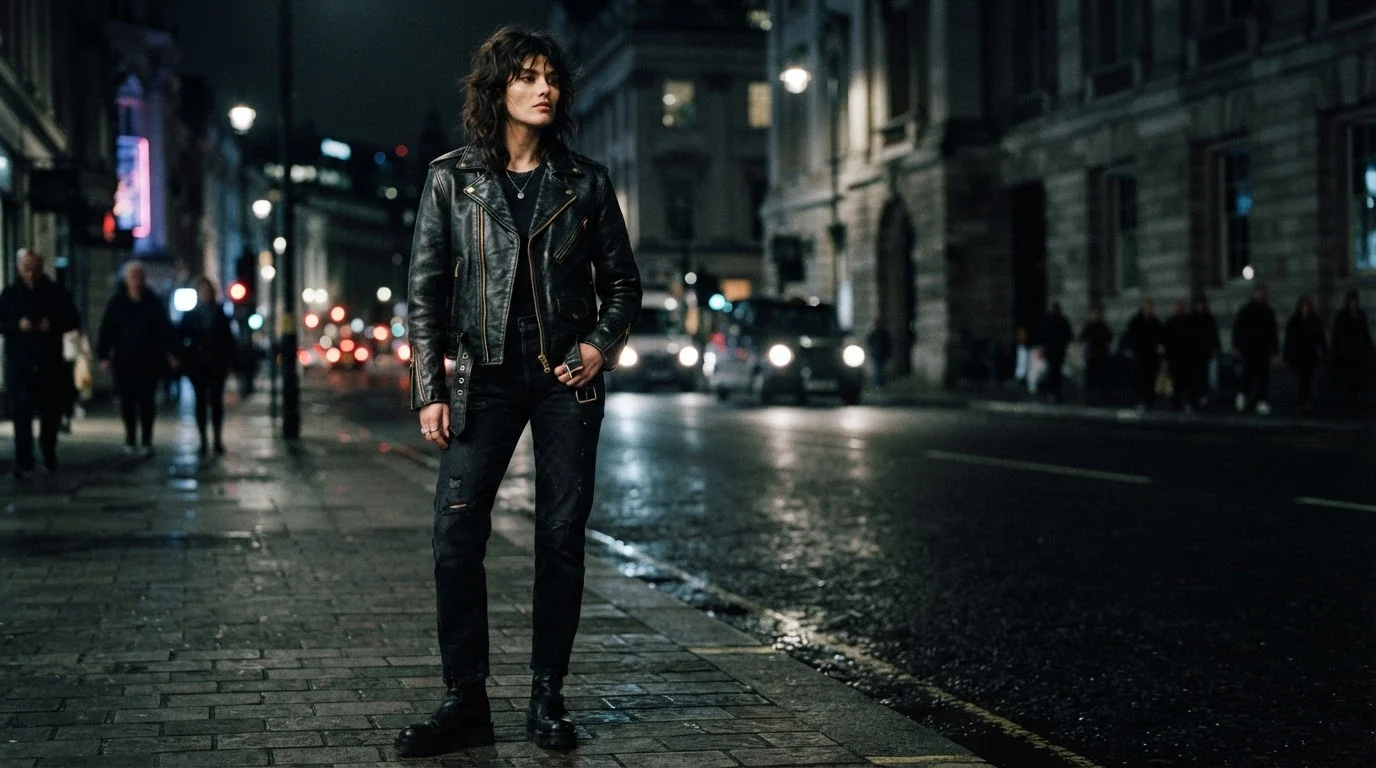
Is a Vintage Harley-Davidson Leather Jacket Still Worth Buying in 2026? Modern Value and Alternative Guide
Key Takeaways
- Purchasing a vintage Harley-Davidson motorcycle jacket requires weighing archival leather patina against the hidden risks of fiber rot, seized metal zippers, and obsolete non-CE foam armor.
- Sizing metrics have shifted dramatically across eras: 1980s and 1990s garments feature generous American drop cuts with deep armholes, whereas 2000s and modern iterations utilize contoured rider profiles.
- Comprehensive pre-purchase inspection of second-hand leather outerwear demands close examination of critical flex zones, armpit seam integrity, zipper box reinforcement, and chemical dry-rot.
- Professional hide restoration, thread restitching, and metal zipper replacement frequently add $250 to $450 beyond the pre-owned purchase price, altering the collector value proposition.
- Discerning motorcycle riders and heritage leather enthusiasts seeking flawless ergonomic fit, pristine hide temper, and structural longevity often choose custom-tailored bespoke alternatives handcrafted from virgin full-grain cowhide.
Artisan Independence & Trademark Notice: Lux Wearz is an independent bespoke leathercraft atelier. All brand names, logos, and trademarks mentioned in this article (including Harley-Davidson® and related trademarks) belong exclusively to their respective trademark holders. Lux Wearz is not an authorized distributor, licensee, or affiliated partner of these brands. All brand references and historical retrospectives are made strictly for educational, comparative, and sizing review purposes under Fair Use. Lux Wearz specializes in custom-tailored, heirloom-grade genuine leather outerwear handcrafted individually in our private workshop.
Is a Vintage Harley-Davidson Leather Jacket Still Worth Buying in 2026?
A vintage Harley-Davidson leather jacket remains worth purchasing in 2026 only when the garment exhibits intact collagen fibers, functional heavy-gauge zippers, and an authentic collector valuation below necessary restoration costs. However, severe hide embrittlement, dry rot, thread decay, and sizing disparities make handcrafted bespoke genuine leather alternatives a superior investment for modern everyday riding and longevity.
Motorcycle riders and vintage fashion enthusiasts regularly confront a pivotal buying dilemma when browsing pre-owned outerwear marketplaces. Classic American cruiser jackets from past decades carry undeniable cultural resonance, nostalgic aesthetic appeal, and unique visual patina that mass-produced modern garments struggle to duplicate. Yet underneath the distressed surface finish lies the biological reality of aged animal hide: animal fats degrade over decades, tanning salts crystallize within inner pores, and poly-cotton structural stitching unravels under environmental tension. Before committing several hundred dollars to a pre-owned heritage piece, buyers must understand the balance between nostalgic provenance and functional riding protection.
Evaluating a decades-old motorcycle riding jacket requires technical leathercraft knowledge. Unlike modern riding outerwear constructed with advanced ventilation systems and certified impact armor, vintage jackets were designed under older engineering standards. When you invest in second-hand motorcycle outerwear, you are acquiring not just the jacket's silhouette, but also decades of previous ownership habits, storage conditions, and chemical exposure. Examining hide hydration, zipper integrity, and structural stitching determines whether a vintage garment serves as a functional road jacket or an expensive display relic.
Historical Heritage & Archival Silhouettes: The Evolution of Cruiser Leathercraft
The narrative of American motorcycle outerwear is inextricably linked with open-road touring culture, industrial manufacturing shifts, and utilitarian rider defense. Throughout the mid-twentieth century, early motorcycle leather garments prioritized basic abrasion resistance against gravel roads and harsh weather elements. Heavily oil-treated steerhide, asymmetrical front zippers to block oncoming headwinds, snapped lapels to prevent wind flutter at highway speeds, and kidney-support belt assemblies defined the quintessential cruiser aesthetic.
During the 1960s and 1970s, the classic cruiser silhouette solidified into an enduring pop-culture symbol. Outerwear produced during this era relied on thick, vegetable-tanned or combination-tanned domestic steerhide measuring between 1.3mm and 1.6mm in thickness. These garments were notoriously stiff off the showroom floor, demanding hundreds of hours in the motorcycle saddle before the hide softened around the rider's shoulders and elbows. Heavy metal zips manufactured by historic suppliers such as Talon, Scovill, and Ideal served as mechanical workhorses capable of enduring decades of constant torque.
The 1980s and 1990s brought profound changes to apparel manufacturing and global supply chains. Outerwear production shifted toward global partner facilities, introducing new tanning chemistries, drum-dying processes, and chrome-tanning protocols designed to deliver softer hand-feel directly from the hanger. Silhouettes expanded into oversized varsity proportions, drop-shoulder profiles, and relaxed chest circumferences suited for casual street layering over bulky flannel shirts. Embellishments such as embroidered leather applique back patches, distressed wash treatments, and contrasting sleeve stripes surged in popularity across enthusiast communities.
As the industry crossed into the twenty-first century, rider safety expectations transformed. The introduction of technical series such as the FXRG (Functional Riding Gear) line brought pre-curved sleeves, waterproof membrane interlinings, pass-through zippered ventilation ports, and specialized pockets designed to house removable armor inserts. Modern designs moved away from relaxed square cuts toward anatomically contoured riding profiles engineered to reduce aerodynamic drag on highway cruisers and touring bikes. Exploring our comprehensive Men's Leather Jackets archive illustrates how classic heritage aesthetics continue to influence modern high-performance designs.
Silhouette & Fit Architecture Across Generations
Understanding silhouette architecture is critical when navigating vintage sizing charts versus contemporary garment measurements. A vintage tag reading "Size 42" from 1988 fits fundamentally differently than a "Size 42" manufactured in 2026. Older cuts were patterned around a boxy torso with exaggerated chest ease, wider biceps, and deep, low-set armholes that accommodated heavy knitwear underneath. While comfortable for stationary standing, low-set armholes cause the entire jacket waist to pull upward whenever the rider reaches forward toward tall handlebars or ape hangers.
Modern motorcycle fit architecture prioritizes articulated movement and ergonomic posture. High-cut armscyes (armholes), rotational sleeve angles, and anatomical elbow pre-curving allow riders to grip motorcycle hand controls without tension across the upper shoulder blades. Additionally, contemporary cruiser jackets incorporate dropped kidney tails to protect the lower spine from chilly road gusts when seated in a forward riding posture. Buyers considering archival garments must compare physical garment pit-to-pit and shoulder-to-cuff measurements rather than relying on vintage tag sizes. Our comprehensive Size Guide provides detailed measuring protocols for verifying exact body ease.
| Silhouette Model | Cut & Fit Type | Shoulder / Chest Offset | Ideal Body Profile | Leather Weight & Temper |
|---|---|---|---|---|
| Archival Double Rider (1970s–1980s) | Traditional Boxy American Cut | +4 to +6 inches chest ease; wide square shoulder yoke | Broad, stocky builds; straight torso without taper | 3.5–4.0 oz Heavy Steerhide; stiff, firm temper |
| Cafe Cruiser Classic (1990s) | Straight Drop Utility Fit | +3 to +4 inches chest ease; dropped armscye | Athletic to regular torso; accommodates internal mid-layers | 3.0–3.5 oz Drum-Dyed Cowhide; medium-firm temper |
| Passing Link III Touring Cut | Pre-Curved Ergonomic Rider | +2.5 to +3.5 inches chest ease; articulated action back | Touring riders seeking shoulder mobility and highway comfort | 3.2–3.5 oz Distressed Cowhide; supple, broken-in temper |
| Flight A-2 Inspired Riding Cut | Relaxed Waist Bomber Profile | +4 to +5 inches chest ease; ribbed wool or leather knit waist | Versatile everyday casual wear; barrel chest profiles | 2.8–3.2 oz Full-Grain Cowhide; medium temper |
| Miss Enthusiast III Contour Cut | Tapered Hourglass Fitted Cut | +1.5 to +2.5 inches chest ease; gusseted hip release | Form-fitted female torso; tailored waist with hip flare | 2.6–3.0 oz Lightweight Lambskin or Milled Cowhide; soft temper |
The comparative data in the fit architecture table demonstrates why vintage garments produce unpredictable silhouettes on modern body types. A rider with broad shoulders and an athletic waist taper often experiences excess ballooning fabric around the midsection in a 1980s cut, creating annoying turbulence at highway speeds. For riders seeking custom-contoured garments built precisely to personal shoulder, bicep, and torso measurements, bespoke crafting remains the definitive solution. Discover our full selection of specialized riding apparel in the Racing Jackets collection.
Leather Hide & Hardware Durability Matrix: Vintage Reality vs Modern Standards
The longevity of any leather jacket depends entirely on hide tanning chemistry, fiber density, thread tensile strength, and hardware metallurgy. Vintage cruiser jackets were built from several distinct hide varieties, ranging from heavy domestic steerhide to lighter drum-dyed milled cowhides and supple goatskin. While heavy steerhide offers exceptional abrasion resistance, its dense fibrous structure requires consistent lipid replenishment. Decades of closet storage without conditioner leach natural moisture out of the hide, causing internal collagen fibrils to snap under strain.
Hardware failure is another significant vulnerability in vintage garments. Historic brass and zinc-alloy zippers suffer from tooth corrosion, oxidation, and slider pocket wear. Once the starter pin or retaining box of a heavy-gauge front zipper tears away from the fabric tape, repairing the garment requires unpicking the entire front leather facing—a complex bench operation that can compromise structural seams. Modern bespoke construction counters these age-related failures by utilizing virgin full-grain hides, continuous filament bonded nylon threads (v69 and v92), and heavy-duty antiqued solid brass YKK hardware engineered for tens of thousands of cycles.
| Component / Hide | Leather Grade & Tannage | Thickness (mm) | Weather Resistance | Expected Longevity | Maintenance Needs |
|---|---|---|---|---|---|
| Heavyweight Naked Steerhide | Full-Grain Chrome-Veg Re-tan | 1.4 – 1.6 mm | High windproof; moderate rain barrier before soaking | 30–50 Years (if hydrated regularly) | Semi-annual conditioning; lanolin wax barrier cream |
| Distressed Vintage Cowhide | Top-Grain Drum-Dyed Mineral Tan | 1.2 – 1.4 mm | Moderate; distressed surface finish absorbs road moisture | 15–25 Years (fiber fatigue common) | Quarterly deep conditioning; avoids silicones |
| Touring Buffalo Hide | Full-Grain Vegetable / Chrome Tan | 1.3 – 1.5 mm | Very high; pronounced pebble grain sheds light mist | 25–40 Years (stiffens in sub-zero temps) | Bi-annual conditioning; saddle soap dirt removal |
| Aniline Lambskin (Fashion/Casual) | Top-Grain Light Chrome Tan | 0.8 – 1.0 mm | Low; water spotting and surface abrasion risk | 8–15 Years (delicate surface grain) | Specialty gentle cream; store away from sunlight |
| Antiqued Brass Zipper (#10 Gauge) | Solid Brass Teeth / Polyester Tape | Standard #10 Gauge | High corrosion resistance; unaffected by road grit | 20–30 Years of continuous mechanical cycling | Annual graphite or paraffin wax tooth lubrication |
| Bonded Nylon Thread (v92 Heavy) | High-Tensile Continuous Filament | 0.30 mm gauge | Complete resistance to rot, fuel vapor, and road salt | Lifetime durability (will not dry-rot) | Zero maintenance; resistant to atmospheric mildew |
When comparing the durability metrics above, pay close attention to the structural thread. Pre-1990s motorcycle jackets frequently utilized spun polyester or cotton-wrapped polyester threads for interior assembly. Unlike continuous filament bonded nylon, organic and blended threads degrade through moisture absorption and ambient atmospheric oxidation. Even if the outer cowhide appears structurally sound, rotted seam threads can burst apart upon impact with asphalt. Detailed hide preservation guidelines are cataloged in our dedicated Leather Care Guide.
Pre-Owned Inspection Checklist & Common Vintage Flaws
Before purchasing any second-hand motorcycle jacket from an online auction, thrift boutique, or estate liquidation sale, perform a disciplined technical evaluation. Many cosmetic blemishes can be conditioned out, but deep structural defects represent irreversible damage that renders a garment dangerous or unwearable. Use this five-step physical inspection framework to assess prospective vintage garments:
1. The Flex & Pinch Test for Chemical Dry-Rot
Dry-rot occurs when tanning moisture, natural lipids, and animal fats permanently evaporate, leaving collagen proteins brittle and porous. To test for dry-rot, gently pinch a fold of leather along high-friction zones—such as the elbow crease, rear shoulder yoke, or kidney panel—and roll the fold between your thumb and forefinger. If you hear a faint crackling sound, detect a powdery residue, or observe fine micro-fractures splintering across the epidermal grain, the leather has suffered irreversible fiber necrosis. Conditioning products cannot repair broken collagen bonds; the hide will tear under mild tension.
2. Olfactory Analysis: Mold, Mildew, and Gasoline Saturation
Scent provides immediate insight into a garment's storage history. A clean, healthy vintage jacket emits a rich, earthy, vegetal leather aroma. Conversely, jackets stored in damp basements, unventilated storage lockers, or humid barns often harbor deep-seated penicillium mildew spores within the interior lining and foam padding. Mildew odors trapped inside leather are notoriously difficult to eradicate and can trigger severe allergic reactions. Furthermore, beware garments reeking of stale fuel, two-stroke exhaust oil, or heavy solvent deodorizers used by sellers attempting to mask rot.
3. Structural Seam and Armpit Stress Evaluation
Turn the jacket inside out to inspect high-stress joinery. Examine the underarm gussets, shoulder seam junctions, and the attachment points where the main zipper meets the waistband. Tug firmly across opposing sides of the seam line. If the stitching threads show visible gapes, fuzzing, or powdery unraveling, the thread has degraded. Restitching an entire armhole or shoulder yoke requires a skilled leather tailor to disassemble the lining, align existing needle perforations precisely, and stitch through multiple layers of heavy hide—an expensive service that rapidly inflates total investment.
4. Metal Hardware, Box Retainers, and Pull Tabs
Inspect every zipper on the garment, particularly the central closure. Examine the bottom retaining box and insertion pin. Over decades of upward pulling, the fabric tape surrounding the starter pin frays and splits. Once the tape unravels, the zipper slider cannot engage smoothly, causing teeth to misalign and burst open under riding wind pressure. Check pocket zippers, sleeve gusset sliders, and waist adjustment buckles for green verdigris corrosion or bent teeth. Replacing a full-length heavy front zipper typically costs between $95 and $160 at a professional leather workshop.
5. Armor Pocket Integrity and Foam Deterioration
If the vintage jacket was manufactured during the early armor era (late 1990s through 2000s), open the internal hook-and-loop pockets located at the shoulders, elbows, and back protector sleeve. Early polyurethane and open-cell foam shock pads deteriorate through chemical hydrolysis over 10 to 15 years, degrading into sticky orange crumbs or hardened plastic shards. These obsolete pads offer zero modern CE-certified impact absorption and must be carefully vacuumed out and replaced with modern viscoelastic molecular armor protectors such as D3O or SAS-TEC.
Economic Analysis: Pre-Owned Restoration Costs vs Custom Investment
The financial calculation of purchasing vintage leather outerwear is frequently distorted by low initial listing prices on secondary marketplaces. A buyer might acquire an archival jacket for $275, believing they secured an exceptional bargain compared to modern retail pricing. However, once the hidden realities of decades of wear manifest, the true cost of ownership rises substantially.
Consider the line-item expenses required to bring a neglected vintage cruiser jacket up to sanitary, road-worthy condition:
- Professional ultrasonic leather cleaning, biocidal mold remediation, and deep ozone sanitization: $90 to $150.
- Multi-stage collagen rehydration treatment with warm lanolin and beeswax conditioning: $60 to $85.
- Structural front zipper replacement with authentic heavy brass hardware and reinforced tape: $110 to $165.
- Sleeve cuff and pocket zipper replacement (pair): $75 to $120.
- Restitching stressed armpit seams and repairing torn pocket bag linings: $85 to $140.
- Upgrading rotted vintage foam padding to modern CE Level 2 elbow and shoulder armor inserts: $90 to $130.
When these necessary rehabilitation costs are tallied, the actual investment climbs to $785 to $1,065—all for a jacket that still carries someone else's body wear patterns, vintage sizing compromises, and aged leather that may have limited remaining operational lifespan. In contrast, commissioning a brand-new, custom-tailored bespoke jacket from Lux Wearz allows you to specify exact chest, sleeve, and torso dimensions, select premium hand-picked full-grain hides, integrate modern CE-certified armor pockets, and enjoy fresh, virgin leather built to your personal standards. Explore our complete offering across all categories at the View All Products catalog hub.
Featured Silhouette Retrospective & Curated Collection
To understand the diversity of classic cruiser styling and modern rider functionality, we analyze five standout silhouettes currently available in the Lux Wearz curated inventory. Each model represents a specific chapter in American motorcycle apparel history, translating archival design cues into functional outerwear for road touring and everyday style:
1. Men's H-D Passing Link III Leather Jacket
The Men's H-D Passing Link III Leather Jacket stands as one of the most recognized cruiser silhouettes of the modern touring era. Featuring expertly distressed vintage cowhide with an authentic lived-in patina, this garment eliminates the painful multi-year break-in ritual associated with unyielding raw hides. Engineered with pre-curved sleeves, an articulated action back for unrestricted reach across handlebars, and dual vertical intake and exhaust vents, the Passing Link III bridges historical aesthetics with active climate management. Heavy-gauge metal hardware and subtle tonal embroidery across the chest deliver timeless open-road authority.
2. Men's Swingarm 3-in-1 Leather Jacket
Versatility defines the Men's Swingarm 3-in-1 Leather Jacket, a design conceived for multi-season long-distance touring. Crafted from midweight genuine cowhide that balances abrasion defense with supple daily flexibility, this garment features a removable full-sleeve fleece hoodie that can be worn independently around the campsite or zipped inside for cold-weather riding insulation. Shoulder and elbow armor pockets accommodate modern protective inserts, while adjustable snap waist tabs allow riders to cinch the lower circumference tightly, preventing aerodynamic billowing at highway cruising speeds.
3. Men's Auroral II 3-in-1 Leather Jacket
Engineered for riders who refuse to let low visibility or nocturnal highway conditions compromise safety, the Men's Auroral II 3-in-1 Leather Jacket integrates 3M Scotchlite reflective piping and graphic treatments seamlessly into deep black full-grain leather. In daylight, the matte black silhouette projects understated minimalist style; under oncoming headlights, the reflective elements illuminate brightly. Built with an internal zip-out windproof fleece hoodie, power-stretch shoulder gussets, and zippered chest and back vents, this jacket delivers all-weather touring capability.
4. Women's H-D Miss Enthusiast III Leather Riding Jacket
Specifically patterned around female ergonomic riding geometry, the Women's H-D Miss Enthusiast III Leather Riding Jacket showcases tailored waist shaping with dual snap-tab side release gussets. Many vintage women's jackets suffer from boxy, unflattering unisex proportions; the Miss Enthusiast III solves this with contoured princess seams that accommodate body armor while accentuating an athletic silhouette. Premium lightweight yet abrasion-resistant cowhide, pre-curved sleeves, and classic retro racing sleeve stripes create a balanced garment equally suited for motorcycle touring and evening streetwear.
5. Men's A-2 Leather Flight Riding Jacket
Drawing direct inspiration from mid-century military aviator heritage, the Men's A-2 Leather Flight Riding Jacket translates World War II flight deck functionality into a rugged motorcycle cruiser piece. Featuring a snap-down shirt collar that prevents wind slap, dual entry front cargo pockets with hand-warmer side slits, and comfortable rib-knit storm cuffs that seal drafts outside riding gauntlets, this jacket represents an enduring casual crossover. The supple drum-dyed brown cowhide develops a rich, luminous patina over time, echoing the flight jackets worn by twentieth-century aviators. Explore the entire branded catalog via the Harley-Davidson Outerwear Collection.
The Bespoke Handcrafted Custom Tailoring Alternative
For riders and collectors who admire classic American cruiser styling but refuse to compromise on leather quality, fit precision, or structural integrity, commissioning a bespoke custom jacket represents the pinnacle of luxury outerwear. When you choose custom leathercraft, you bypass the unpredictable gambles of pre-owned shopping: no mystery odors, no rotted internal seams, no seized zippers, and no awkward proportions dictated by someone else's body shape.
At Lux Wearz, every bespoke garment begins with virgin, top-tier full-grain cattle hides sourced from premier artisan tanneries. These hides undergo natural aniline and semi-aniline tanning processes that preserve the original dermal grain structure, natural pore respiration, and superior tensile durability. We avoid corrected-grain split leathers and heavy plastic polyurethane finishes that crack after exposure to sun and rain. Each hide is individually inspected on cutting tables, selecting the thickest, most durable panels for critical abrasion zones across the shoulders, upper back, and outer forearms.
Structural assembly reflects uncompromising artisan standards. Garments are stitched with bonded continuous-filament nylon thread (size v92 or v138 on primary structural seams), providing exceptional shear resistance that will not decay under moisture, sweat, or UV radiation. Hardware is hand-fitted using solid antiqued brass and nickel YKK zippers with reinforced polyester tape, heavy-gauge snap closures, and custom-milled steel buckles. Internal linings are crafted from breathable, high-tenacity silken polyesters and insulating quilted linings tailored with internal stash pockets and dedicated armor sleeves.
Most importantly, our bespoke service accommodates your exact physical measurements. Whether you possess an athletic drop waist, require extra sleeve length for extended cruiser handlebars, or desire customized pocket layouts, our pattern makers draft a unique individual template for your jacket. Learn how to commission your own heirloom-grade riding piece through the Lux Wearz Custom Order atelier portal.
Strategic Decision Matrix: Should You Buy Vintage or Order Bespoke?
To simplify your purchasing decision, we have distilled the evaluation process into a definitive comparison of four practical ownership scenarios. Evaluate where your priorities align before finalizing your investment:
Scenario A: The Pure Archival Display Collector
- Profile: You are a dedicated memorabilia collector seeking a museum-grade archival specimen from a specific production year (e.g., an original 1968 police cruiser jacket with authentic brass Talon hardware).
- Recommended Action: Buy Vintage. Seek documented provenance, verify original tags, and accept that the jacket may serve primarily as a collectible display piece rather than a daily high-mileage road garment.
- Budget Expectation: $450 to $1,200+ for verified mint condition.
Scenario B: The Budget Thrift Hunter
- Profile: You are scouring local vintage thrift shops, estate sales, or online auctions hoping to find a wearable leather jacket under $200.
- Recommended Action: Proceed with Extreme Caution. Apply the five-step inspection checklist rigorously. Ensure you factor in at least $150 for professional sanitization, mold remediation, and leather rehydration before wearing the garment next to your skin.
- Budget Expectation: $150 initial purchase + $150 restoration = $300 minimum total investment.
Scenario C: The Active Highway Touring Rider
- Profile: You log thousands of highway miles annually in varied weather conditions. You require dependable wind protection, comfortable ergonomic reach, active ventilation, and compatibility with modern CE-rated impact armor.
- Recommended Action: Choose Modern Curated Brand Outerwear or Bespoke Custom Tailoring. A modern model such as the Men's Passing Link III or a made-to-measure bespoke build ensures dependable road safety without mechanical zipper failures at 70 mph.
- Budget Expectation: $450 to $750 for curated models; bespoke custom investment starting from $595.
Scenario D: The Discerning Connoisseur of Bespoke Fit
- Profile: Standard off-the-rack sizing never fits your proportions cleanly. You demand virgin full-grain leather, premium hardware, customized interior pockets, and an heirloom-grade build that molds exclusively to your body from day one.
- Recommended Action: Commission Bespoke Handcrafted Leathercraft. Bypass pre-owned compromises entirely by ordering through Lux Wearz Custom Order. You receive a brand-new jacket tailored to your exact measurements, built from the finest virgin hides, and guaranteed for decades of road companionship.
- Budget Expectation: $550 to $950 for full bespoke tailor construction.
Long-Term Maintenance Protocols for Cruiser Leather Outerwear
Whether you decide to invest in a well-preserved vintage jacket or commission a brand-new custom piece, preserving full-grain leather requires disciplined seasonal care. Leather is an organic dermal material that continuously exchanges moisture with its surrounding environment. Proper maintenance prevents premature fiber stiffening and keeps the hide supple across decades:
- Routine Dust & Road Grime Removal: After highway rides, wipe down the exterior hide using a soft microfiber cloth lightly dampened with lukewarm distilled water. Never use harsh household detergents, alcohol wipes, or petroleum-based degreasers, which strip away protective waxes.
- Deep Conditioning & Replenishment: Apply a premium lanolin-based or beeswax-infused leather balm twice annually—ideally at the beginning of the spring riding season and before winter storage. Massage the conditioner in circular motions, allowing the oils to penetrate the grain pores for 12 hours before buffing off excess residue.
- Rain Soaking Protocol: If caught in a heavy highway downpour, hang the soaked jacket on a wide, contoured wooden hanger in a well-ventilated room at normal room temperature. Never place wet leather near direct heat sources such as radiators, electric heaters, or hair dryers, which cause rapid protein shrinkage and permanent grain cracking.
- Zipper Lubrication: Clean heavy brass zipper teeth using a soft toothbrush to remove accumulated road grit. Apply a light coat of natural beeswax or dry graphite powder along the zipper track annually to ensure effortless slider glide without snagging.
- Off-Season Storage: Store leather outerwear inside a breathable canvas or cotton garment bag in a climate-controlled closet. Avoid sealed plastic dry-cleaning bags, which trap ambient humidity and cultivate mold colonies.
Final Verdict & Buyer Recommendations
Navigating the vintage cruiser leather market requires balancing emotional nostalgia against objective material science. While archival jackets embody romantic open-road mythology, the practical realities of dried-out collagen fibers, aged seam threads, obsolete protective pads, and boxy historical cuts mean that many pre-owned garments become costly restoration projects.
For riders seeking an authentic vintage aesthetic without mechanical headaches, curated modern models such as the Men's H-D Passing Link III Leather Jacket provide an ideal blend of pre-broken-in character and contemporary riding ergonomics. Furthermore, for enthusiasts who demand perfection in every stitch, shoulder offset, and hide temper, bespoke custom tailoring from Lux Wearz stands unmatched. Explore our diverse lineup across the Harley-Davidson Outerwear Collection, consult our Size Guide, and take command of your riding style by designing your custom heirloom piece through Lux Wearz Custom Order.
Explore The Full 2026 Leather Outerwear Collection
Vegetable-tanned full-grain cowhide, buttery New Zealand lambskin, and heritage Melton wool. Free express delivery across the USA with 30-day hassle-free returns.