
Are Unlined Jackets Better for Spring or Summer? [2026 Guide]
Are unlined jackets better for spring or summer? Compare breathability ratings, unlined lambskin vs suede, weight specs & warm-weather leather styling rules.
Are Unlined Jackets Better for Spring or Summer? [2026 Guide]
Leather outerwear has long enjoyed an indisputable reputation as the premier defense against biting autumn winds and freezing winter snowfalls, yet the prospect of wearing leather during balmy spring afternoons and humid summer evenings continues to divide style enthusiasts. Conventional wisdom dictates that thick leather jackets trap body heat and generate oppressive humidity, transforming high-fashion layers into uncomfortable thermal traps. However, the rise of artisan unlined leather jackets has fundamentally disrupted this seasonal boundary, introducing ultra-lightweight, highly breathable outerwear designed specifically for warmer ambient temperatures.
Evaluating whether an unlined leather jacket justifies a place in your warm-weather wardrobe requires deconstructing the anatomical mechanics of leather hides, the thermal properties of synthetic linings, and realistic seasonal climate ranges. By eliminating bulky inner paddings, quilted insulation, and synthetic rayon linings, master leather crafters expose the raw, porous breathability of natural animal hides. Whether navigating coastal Mediterranean sea breezes or transitioning between scorching outdoor avenues and aggressively air-conditioned corporate suites, understanding the tactile advantages and operational limitations of unlined leather ensures you invest wisely for 2026.
Key Takeaways Box
- Thermal Performance Reality: Unlined leather jackets eliminate insulating synthetic barriers, allowing the natural micro-pores of full-grain hides to circulate air during 60°F to 75°F (15°C to 24°C) transitional weather.
- Weight Reduction Advantage: Removing internal canvas, chest canvases, and polyester linings reduces total garment weight by up to forty percent, creating a fluid, shirt-like drape that moves effortlessly with your body.
- Flesh-Side Friction Awareness: The unlined interior exposes the raw suede-like flesh side of the hide, which requires pairing with smooth cotton or linen base layers to avoid drag against bare skin.
- Optimal Hide Selection: Prioritize lightweight full-grain lambskin measuring 0.9 to 1.2 millimeters or goatskin measuring 0.8 to 1.0 millimeters for supple warm-weather comfort, reserving heavier cowhide for autumn and winter.
- Accelerated Mold-to-Body Fit: Without rigid internal interfacings holding the shape, unlined hides conform to your unique anatomical contours significantly faster than traditional lined outerwear.
What Is an Unlined Leather Jacket and How Does It Function in Warm Weather?
An unlined leather jacket is a deconstructed outerwear garment crafted without an interior synthetic fabric lining, allowing the natural flesh side of the leather hide to sit directly against your clothing. Eliminating synthetic polyester or rayon linings restores the hide's natural breathability, permitting micro-porous air circulation and heat dissipation that makes the garment exceptionally comfortable in mild spring and summer temperatures.
In standard leather jacket construction, the outer leather shell represents only half of the garment's thermal equation. Manufacturers typically install an interior lining made of dense polyester, nylon, rayon, or quilted acetate to conceal raw seam allowances and provide smooth entry. While this synthetic barrier helps retain body heat during cold winter months, it creates an impermeable vapor trap in warm weather, preventing body moisture from evaporating through the leather's natural pores.
By contrast, an unlined jacket removes this thermal barrier entirely. High-grade animal hides possess thousands of microscopic dermal pores that naturally regulate temperature and expel water vapor. When you wear an unlined leather piece over a breathable linen camisole or cotton crewneck, ambient air permeates the grain structure, keeping your torso noticeably cooler than when wearing conventional lined outerwear.
This minimalist construction transforms the physical drape of the garment. Unlined jackets behave more like refined overshirts or heavy cardigans than armor-like motorcycle gear. They roll easily into weekend duffle bags, drape fluidly over the shoulders without stiffness, and eliminate the noisy swishing sounds associated with synthetic linings.
To explore lightweight, versatile styles that bridge the gap between shirts and jackets, browse our dedicated collection of shirt & collarless jackets and refined womens shirt & collarless jackets. Both categories highlight how deconstructed patterns redefine leather as an authentic four-season wardrobe staple.
Does Removing the Lining Really Make a Leather Jacket Breathable?
Removing the lining drastically improves a leather jacket's breathability because natural full-grain hides possess an open, organic dermal fiber network that facilitates spontaneous air and vapor transfer. Synthetic fabric linings act like plastic wrap against the torso, whereas unlined full-grain leather allows heat to dissipate naturally, preventing the clammy moisture accumulation that occurs in lined jackets during mild weather.
To understand why unlined leather breathes, one must examine the micro-structure of animal skin. Full-grain leather is composed of complex protein collagen bundles that absorb and release ambient humidity:
- Vapor Permeability: When human skin generates invisible insensible perspiration, moisture passes smoothly through the unlined flesh side and evaporates outward through the grain surface pores.
- Elimination of Synthetic Vapor Traps: Non-breathable polyester linings trap humid air between your shirt and the jacket interior, creating an artificial greenhouse effect that accelerates sweating.
- Natural Heat Dissipation: In shaded breezes or evening air, ambient airflow cools the leather hide directly, providing crisp thermal regulation without requiring bulky ventilation zippers.
However, realistic temperature boundaries must be respected. An unlined leather jacket is not a substitute for lightweight linen shirts in ninety-degree midsummer heat. If ambient temperatures exceed 80°F (27°C) under direct direct sunlight, the dark pigmentation of leather hides absorbs radiant solar energy, causing you to feel hot regardless of lining construction.
Instead, unlined leather excels across transitional temperature windows ranging from 60°F to 75°F (15°C to 24°C). It represents the quintessential garment for breezy coastal boardwalks, shaded outdoor dining terraces, brisk spring mornings, and air-conditioned interior settings where a standard jacket feels too stifling but a short-sleeve shirt feels uncomfortably cool.
Discovering versatile transitional silhouettes across our selection of mens leather jackets and womens leather jackets empowers you to embrace natural leather breathability with uncompromising sartorial confidence.
What Are the Key Advantages of Owning an Unlined Leather Jacket?
The key advantages of owning an unlined leather jacket include dramatic weight reduction, enhanced travel packability, accelerated break-in periods, and an effortless, glove-like silhouette that contours naturally to your torso. By stripping away interfacings and secondary fabrics, unlined leather delivers supreme casual elegance that feels exceptionally light on the shoulders throughout daily activities.
Analyzing these core benefits reveals why discerning style minimalists increasingly favor unlined construction:
- Remarkable Weight Reduction: A standard lined cowhide moto jacket often weighs between four and six pounds. In stark contrast, an unlined lambskin or goatskin jacket typically weighs between two and 2.5 pounds, reducing physical shoulder strain by nearly half.
- Immediate Ergonomic Break-In: Because there are no stiff canvas interfacings, shoulder pads, or chest stays restricting the hide, the leather begins molding to your exact posture, shoulder slope, and arm flexion from the very first day of wear.
- Superior Travel Versatility: Unlined leather garments compress neatly without risk of tearing delicate lining fabrics. You can effortlessly roll an unlined leather shacket into a weekend bag, sling it over your arm in an airport lounge, or drape it over a cafe chair without adding excessive bulk.
- Authentic Tactile Luxury: Wearing an unlined jacket connects you directly with the raw beauty of natural leathercraft. You feel the velvety texture of the flesh side and appreciate clean, exposed artisan seam work that cannot hide behind synthetic fabric facings.
For casual layering enthusiasts, inspecting our curated assortment of mens casual jackets and womens casual jackets illustrates how relaxed, lightweight leather patterns elevate weekend outings and transatlantic travel wardrobes.
What Are the Potential Drawbacks and Flesh-Side Trade-offs to Consider?
The potential drawbacks of an unlined leather jacket include raw flesh-side friction against textured clothing, increased vulnerability to internal body oil absorption, and reduced wind protection compared to heavily lined garments. Understanding these practical trade-offs enables buyers to implement smart layering strategies and maintain their garments properly throughout years of wear.
Before purchasing an unlined jacket, consider these primary operational realities:
- The Flesh-Side Drag Factor: The interior of an unlined jacket consists of the flesh side of the hide, which resembles rough-out suede. When slipped over textured knitwear, brushed flannel, or coarse wool sweaters, the raw leather fibers create tactile friction, causing shirtsleeves to bunch up inside the arms. Pairing unlined jackets with smooth cotton, modal, or silk base layers resolves this friction effortlessly.
- Moisture and Perspiration Absorption: In lined jackets, the synthetic inner fabric absorbs skin oils and deodorant residue, shielding the leather from internal contamination. In an unlined jacket, heavy sweating can permeate directly into the hide, necessitating periodic airing and careful interior spot-cleaning.
- Lack of Internal Structural Pockets: Traditional lined jackets feature deep zippered chest pockets sewn directly into the lining fabric. Because unlined jackets lack this interior layer, interior pockets must be topstitched directly through the exterior hide or omitted entirely, resulting in fewer discreet interior compartments.
- Wind Chill Sensitivity: While the open pore structure delivers welcome breathability in warm weather, it offers reduced insulation against frigid gusts. If unexpected cold fronts arrive, an unlined jacket provides minimal thermal retention compared to quilted winter outerwear.
Exploring our archival collection of vintage leather jackets demonstrates how aged, broken-in unlined hides gain magnificent textural softness over decades of wear, overcoming early friction as the inner fibers naturally burnish smooth.
Which Leather Hides and Construction Details Excel in Unlined Silhouettes?
Lightweight full-grain lambskin and goatskin represent the premier leather hide choices for unlined silhouettes because their tight, flexible dermal structures deliver supreme softness and breathability without requiring heavy hide thickness. Master craftsmen favor vegetable or light chrome tanning processes paired with meticulously French-seamed or bound interior edges to ensure clean visual presentation and frictionless comfort.
The choice of animal hide dictates the success of an unlined garment:
- Full-Grain Lambskin (0.9-1.2mm): Renowned for its buttery softness and fluid drape, lambskin excels in unlined overshirts, blazers, and lightweight summer bombers. Its fine grain feels exceptionally pleasant against the arms, delivering refined luxury for casual and formal styling alike.
- Full-Grain Goatskin (0.8-1.0mm): Characterized by a distinctive pebbled grain and natural lanolin content, goatskin provides remarkable tensile strength and water resistance despite its featherweight gauge. It resists scuffs while remaining wonderfully pliable in humid climates.
- Full-Grain Cowhide (1.1-1.4mm): While cowhide provides unmatched abrasion resistance, it is generally too dense and stiff for unlined warm-weather wear. Artisans reserve cowhide for structured utility outerwear or cool-season riding gear.
Interior seam finishing requires elite artisan skill in unlined garments. Because there is no lining to conceal raw edges, every seam is fully visible whenever the jacket is unzipped or hung on a coat rack. Master artisans finish interior seams using flat-felled double stitching, bound leather piping, or French seams. This clean finishing eliminates scratchy raw leather edges, ensuring the interior looks as immaculate and luxurious as the exterior shell.
For lovers of rich, velvety textures, inspecting our mens suede jackets and womens suede jackets showcases how reversed split and nubuck hides provide immediate breathability and tactile charm in spring ensembles.
Tanning chemistry also profoundly influences warm-weather comfort in unlined leather garments. Traditional vegetable tanning utilizes organic plant tannins derived from oak, chestnut, and mimosa bark, preserving the open, porous cellular structure of animal hides. Vegetable-tanned leather absorbs perspiration moisture efficiently and develops an exquisite, deeply nuanced patina with daily sunlight exposure. In contrast, chrome-tanned leathers undergo rapid mineral processing with chromium salts, which seals hide pores slightly more tightly but yields unprecedented buttery softness and drape. Artisans frequently select semi-aniline drum-dyed lambskin for unlined jackets, delivering the ideal compromise between pore breathability, vibrant color retention, and resistance to surface staining.
Furthermore, edge finishing in deconstructed outerwear requires obsessive precision. When a jacket has no lining to shield its inner perimeter, every hemline, pocket bag edge, and collar stand must be skived down to featherweight thickness and bonded using water-based non-toxic adhesives before topstitching. This advanced skiving process prevents thick, rigid edges from pressing against the ribs or collarbones, ensuring the unlined garment rests against your body with the featherweight ease of luxury linen.
Unlined Leather Jacket Warm Weather Performance Comparison
The following comprehensive comparison table details how unlined leather jackets compare to standard lined jackets, leather vests, and heavy winter outerwear across key climate thresholds, breathability ratings, and daily utility metrics.
| Outerwear Silhouette | Ideal Temperature Range | Breathability Rating | Garment Weight | Best Layering Combinations | Price Range USD |
|---|---|---|---|---|---|
| Unlined Lambskin Shacket | 60°F to 75°F (15°C to 24°C) | Exceptional (High Vapor Flow) | 2.0 - 2.5 lbs | Linen camisoles, cotton tees | $249 - $399 |
| Unlined Goatskin Moto | 55°F to 72°F (13°C to 22°C) | High (Open Dermal Pores) | 2.2 - 2.8 lbs | Fine-gauge modal shirts, tanks | $249 - $399 |
| Satin-Lined Classic Bomber | 45°F to 65°F (7°C to 18°C) | Moderate (Synthetic Barrier) | 3.5 - 4.5 lbs | Oxford shirts, light sweaters | $249 - $399 |
| Quilted Winter Aviator B-3 | 20°F to 45°F (-6°C to 7°C) | Low (Thermal Insulated) | 5.0 - 7.0 lbs | Heavyweight cashmere, thermals | $349 - $599 |
| Bespoke Custom Light Hide | Custom Tailored Climate | Client Preference Specified | 1.8 - 2.8 lbs | Bespoke inner facings & cuts | $299 - $499 |
Material and Durability Matrix for Handcrafted Leather Jackets
The performance and longevity of your leather jacket depend on hide selection, grain density, and hardware resilience. The table below outlines authentic leather specifications, hide measurements, hardware grades, and service guarantees provided across the Lux Wearz outerwear range.
| Leather Hide Type | Hide Thickness | Hardware Specifications | Interior Lining | Production Lead Time | Guarantees & Returns | Price Range USD |
|---|---|---|---|---|---|---|
| 100% Genuine Full-Grain Lambskin | 0.9-1.2mm | YKK brass zippers and snaps | Polyester satin lining (or unlined) | Ships within 3-5 business days | 30-day returns, 1-year warranty | $249 - $399 |
| 100% Genuine Full-Grain Goatskin | 0.8-1.0mm | YKK antique brass hardware | Polyester satin lining (or unlined) | Ships within 3-5 business days | 30-day returns, 1-year warranty | $249 - $399 |
| 100% Genuine Full-Grain Cowhide | 1.1-1.4mm | Heavy-duty YKK brass zippers | Polyester satin lining | Ships within 3-5 business days | 30-day returns, 1-year warranty | $249 - $399 |
| Entry Genuine Cowhide Leather | 1.1-1.4mm | Standard YKK metal zippers | Polyester satin lining | Ships within 3-5 business days | 30-day returns, 1-year warranty | $149 - $249 |
| Custom Made-to-Order Bespoke Hide | Client Choice (0.8-1.4mm) | Custom YKK brass finish options | Unlined or custom satin lining | Handcrafted in 7-14 business days | 30-day returns, 1-year warranty | $299 - $499 |
How Should You Clean and Maintain the Interior of an Unlined Leather Jacket?
Cleaning and maintaining the interior of an unlined leather jacket requires gentle brushing with a soft crepe suede brush, periodic airing in shaded ventilation, and targeted spot-cleaning with diluted pH-neutral leather soaps. Because there is no synthetic fabric lining to absorb natural body oils and perspiration, consistent internal maintenance prevents moisture buildup, neutralizes odors, and keeps the raw flesh side soft and supple.
Implement these expert care steps to preserve your unlined leather investment across multiple warm-weather seasons:
- Air Out Immediately After Wear: After wearing your jacket on a warm afternoon, hang it immediately on a contoured wooden hanger in a well-ventilated room with circulating air. Never store a warm, moisture-exposed jacket in a dark, enclosed closet.
- Brush the Flesh Side Seasonally: Use a soft horsehair brush or rubber crepe brush to gently sweep away loose lint and dust fibers from the raw interior facing. Brushing rejuvenates the velvety suede-like nap and prevents fiber matting.
- Mitigate Underarm Odors Naturally: If underarm zones absorb perspiration, lightly mist the interior leather with a mixture of equal parts distilled water and white vinegar, or sprinkle a small amount of baking soda on the area overnight before brushing it clean.
- Condition the Exterior Hide Semiannually: Apply a light coat of natural beeswax balm or lanolin conditioner to the exterior grain surface every six months. Conditioning prevents moisture evaporation from baking the leather stiff during dry summer heatwaves.
For comprehensive maintenance tutorials covering stain mitigation, water protection, and leather storage protocols, explore our definitive leather care guide. Proper seasonal care protects natural collagen fibers, guaranteeing your unlined leather remains soft and luxurious for decades.
How to Style an Unlined Leather Jacket for Spring and Summer Outfits
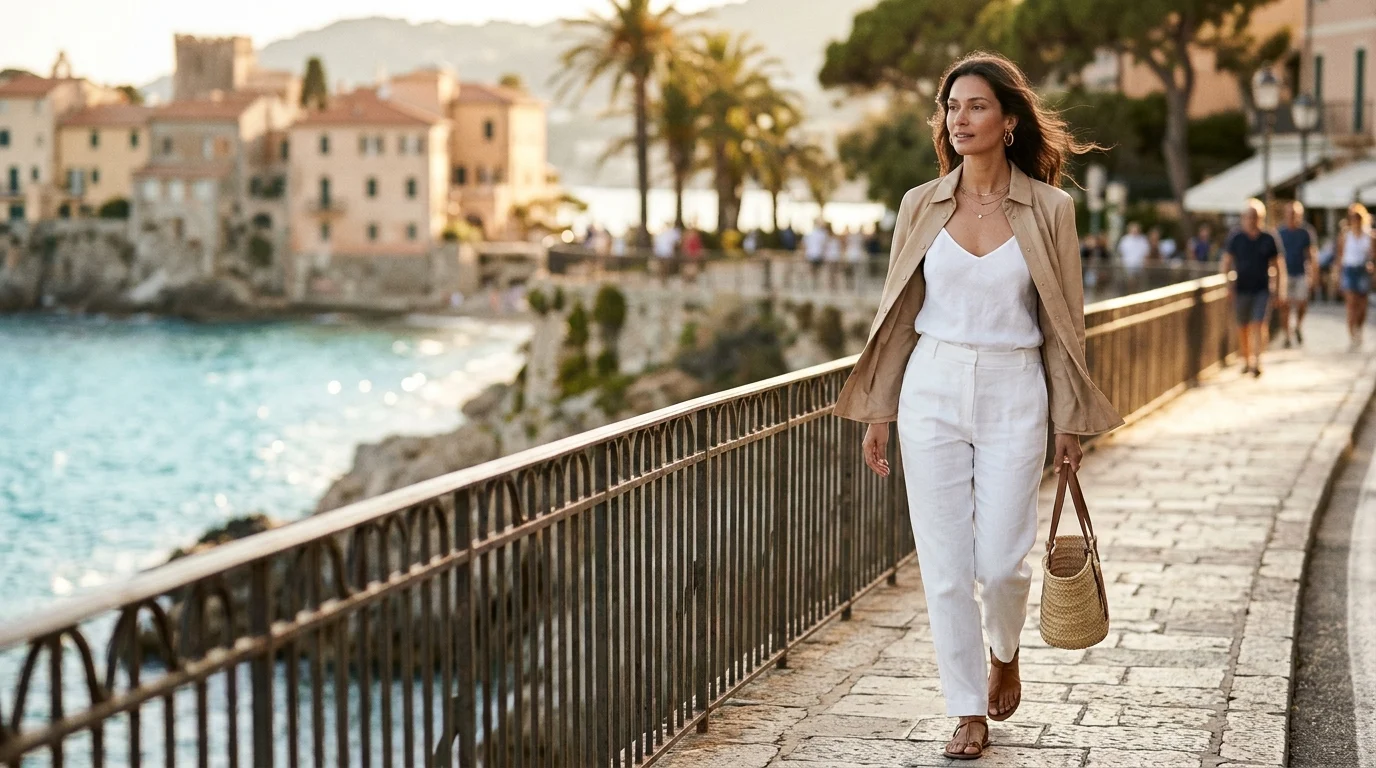
Styling an unlined leather jacket for spring and summer centers on pairing the garment with lightweight, breathable natural fibers such as linen, slub cotton, and fluid silk. Layering an open unlined overshirt over clean summer essentials creates an effortlessly relaxed European aesthetic that transitions gracefully from breezy coastal boardwalks to upscale rooftop lounges.
For casual daytime styling, combine an unlined sand or cognac lambskin shacket with crisp white linen drawstring trousers and a ribbed cotton tank top. Leave the jacket completely unbuttoned to catch coastal breezes and showcase relaxed summer tailoring. Ground the ensemble with woven leather espadrilles or minimalist white leather sneakers.
When dressing for evening dinners or outdoor concerts, style an unlined black leather jacket over an optic white poplin button-down shirt paired with light-wash relaxed denim from our versatile denim jackets line. The contrast between structured black leather and bright summer denim strikes an impeccable balance between edgy confidence and seasonal appropriateness.
To explore further seasonal layering principles, consult our authoritative guides on rain and leather care guide, suede wear and care guide, and capsule wardrobe leather guide. Before finalizing your size selection, consult our comprehensive size & fit guide to ensure shoulder drape and sleeve lengths align perfectly with your frame.
If you desire custom sleeve measurements, personalized pocket configurations, or specific leather thickness grades, our master craftsmen construct bespoke unlined jackets with complimentary shipping throughout the United States. Read firsthand buyer testimonials in our customer reviews, speak directly with our master leather crafters via contact our artisans, or explore answers to common ordering inquiries on our frequently asked questions page.
Explore The Full 2026 Leather Outerwear Collection
Vegetable-tanned full-grain cowhide, buttery New Zealand lambskin, and heritage Melton wool. Free express delivery across the USA with 30-day hassle-free returns.