
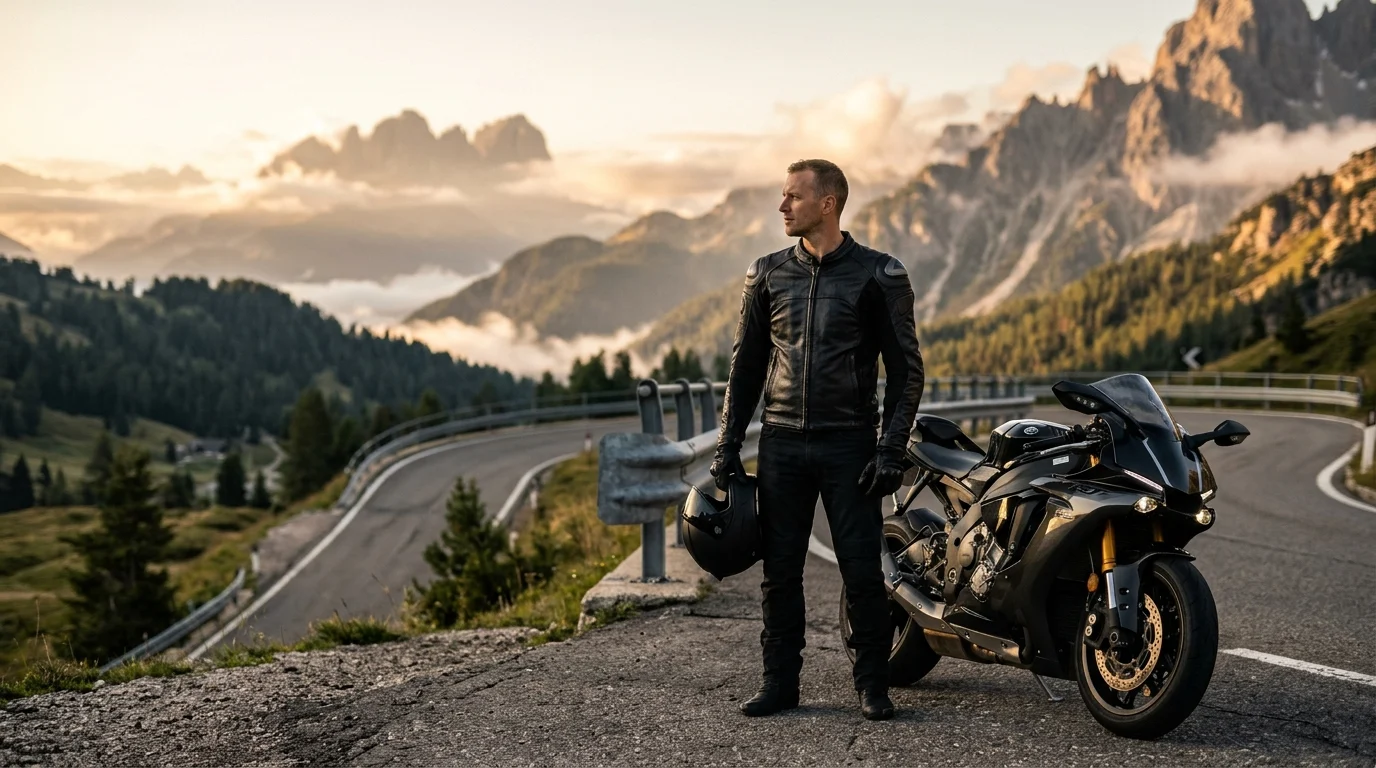
Is a MotoGP Leather Jacket Worth Buying for Street Use in 2026?
Explore whether a MotoGP leather jacket is worth buying for daily street riding in 2026, comparing race ergonomics, safety armor, cowhide durability, and costs.
Modern motorcycle riders frequently admire the striking liveries, aerodynamic speed humps, and armored shoulder sliders worn by world championship racers on Grand Prix circuits. The unmistakable silhouette of track-grade racing outerwear commands immediate attention on city boulevards and winding canyon roads. Yet transitioning pure racing equipment from a closed paved circuit into an everyday urban commuting environment presents substantial functional compromises that every motorcycle enthusiast must weigh before investing in premium motorcycle gear. Understanding the structural distinctions between circuit-bred speed equipment and everyday outerwear ensures you select riding gear that delivers both uncompromised impact protection and real-world comfort.
The modern leather market offers a diverse spectrum of options, ranging from ultra-dense racing cowhide to supple street-ready garments. While professional paddock equipment prioritizes high-speed asphalt sliding resistance above all else, daily road conditions introduce unpredictable weather shifts, traffic stops, seated posture variations, and pedestrian walking requirements. Examining how track ergonomics interact with street riding postures reveals whether a Grand Prix inspired piece deserves a permanent position in your motorcycle wardrobe.
Key Buying Takeaways:
- Authentic track-spec racing jackets utilize heavy 1.1-1.4mm full-grain cowhide offering maximum abrasion resistance that outlasts textile alternatives during asphalt slides.
- Aggressive pre-curved sleeves and aerodynamic speed humps optimize tucked postures over clip-on handlebars but restrict upright posture and backpack utility during daily commutes.
- High-performance riding requires certified internal impact armor alongside flexible accordion stretch panels to maintain joint articulation without sacrificing safety margins.
- Handcrafted artisan construction featuring reinforced safety stitching and robust YKK brass zippers prevents catastrophic seam blowouts during high-velocity impacts.
- Pairing road-ready track styling with tailored ergonomics creates the ultimate balance of paddock aesthetic and street functionality.
What Defines an Authentic MotoGP Style Leather Jacket?
An authentic MotoGP style leather jacket represents a specialized piece of high-performance motorcycle outerwear engineered directly from professional road racing architecture. These garments feature heavy-gauge full-grain cowhide measuring between 1.1mm and 1.4mm in hide thickness, aggressive pre-curved arm tailoring, external dual-density shoulder sliders, and integrated internal pockets designed for certified impact armor.
Professional paddock racers experience severe biomechanical forces when tipping sports motorcycles into steep cornering lean angles. Consequently, authentic racing jackets feature precision-tailored torso cuts that minimize excess leather flapping at triple-digit speeds. Master leather artisans incorporate multi-row safety stitching along critical structural stress zones, ensuring external seams resist bursting when sliding across abrasive aggregate asphalt surfaces. Heavy-duty YKK brass zippers secure the central closure and cuff openings, preventing accidental opening during high-velocity slides.
External hard armor components, including thermo-formed TPU or brushed alloy shoulder plates, serve a dual functional purpose on circuit-inspired outerwear. These low-friction outer sliders disperse concentrated initial impact shock loads while encouraging smooth directional deflection across the road surface. By allowing the rider to skip across pavement rather than digging into tarmac irregularities, high-grade racing jackets dramatically minimize severe rotational twisting forces on collarbones and shoulders.
Unlike casual fashion outerwear, track-inspired motorcycle apparel incorporates advanced accordion expansion gussets across the upper shoulder blades and lower lumbar zones. These flexible accordion leather ribs flex dynamically in unison with muscular torso movements, allowing riders to transition from an upright highway cruising posture into an aggressive full-tank racing tuck without binding at the armpits or pulling the waist hem upward.
How Does Track Ergonomics Affect Daily Street Riding Comfort?
Track ergonomics alter daily street riding comfort by forcing the upper torso and arms forward into a dedicated aggressive crouch that feels restrictive during upright urban commuting. Racing jackets feature pre-rotated sleeve patterns and a shortened front torso length designed exclusively for crouched sportbike geometry, creating tension across the chest when standing or walking.
When mounted on an aggressive sport motorcycle equipped with low clip-on handlebars and rear-set foot pegs, the pre-curved sleeve architecture feels entirely natural and reduces forearm muscle fatigue over extended rides. However, modern street riders frequently pilot standard roadsters, naked streetfighters, or upright adventure touring bikes. On these upright machines, an aggressively pre-curved race jacket constantly pulls the rider shoulders forward, exerting unnecessary muscular strain across the trapezius and neck.
Furthermore, authentic racing garments feature a severely cropped front waistband paired with an elongated drop-tail rear kidney panel. This structural cut prevents uncomfortable leather bunching across the fuel tank while completely shielding lower back vertebrae from chilled winds during high-speed tucked riding. When dismounting the motorcycle to run daily errands or meet friends, this aggressive athletic crop causes the front hem to sit noticeably high on the abdomen, feeling stiff and awkward off the motorcycle.
Walking through city streets or sitting in casual urban environments highlights the inherent stiffness of race-ready construction. Full-grain leather hides require dedicated break-in periods spanning dozens of riding hours before easing around individual body contours. Riders seeking everyday versatility must understand that authentic racing garments prioritize high-speed aerodynamic stability over casual off-bike mobility.
What Are the Safety Differences Between Racing Leather and Street Jackets?
Safety differences between racing leather and street jackets center on hide thickness density, structural seam rupture thresholds, impact protector coverage ratings, and external abrasion deflection capabilities. Racing jackets utilize premium 1.1mm to 1.4mm full-grain cowhide hides assembled with concealed multi-needle safety stitching, whereas casual street jackets often utilize lighter hides prioritizing flexibility over sliding durability.
During an unexpected road mishap, asphalt acts as a high-friction belt sander against protective outerwear. Controlled laboratory abrasion assessments demonstrate that genuine full-grain cowhide measuring 1.2mm in thickness resists tearing and friction heat burn-through significantly longer than lighter fashion leathers or basic single-layer textiles. The dense fibrous cross-linked collagen structure of full-grain hides dissipates immense frictional heat, shielding underlying skin layers from painful road rash injuries.
Internal armor configurations represent another fundamental distinction between specialized racing outerwear and conventional road jackets. Paddock-derived outerwear integrates rigid or semi-rigid composite protectors across the elbows, forearms, and shoulders, meeting stringent European safety standards. These anatomically contoured shields feature high-density impact-absorbing foam backings bonded to hard structural outer shells that distribute blunt-force concussive energy over broad surface areas.
In contrast, casual street garments frequently rely on softer, thinner foam pads or omit back protector pockets entirely to maintain a svelte silhouette. Proper racing construction incorporates secure interior retention pockets tailored to accommodate heavy-duty articulated back protectors and optional dual chest protectors, establishing comprehensive 360-degree impact defense for critical thoracic vital organs.
Is an Aerodynamic Speed Hump Practical for Street Riding?
An aerodynamic speed hump serves no practical functional purpose for legal street riding speeds and actively interferes with casual street usability. Racing humps bridge the turbulent aerodynamic wake between a full-face helmet and the rider upper back during high-speed racetrack tucks, but they prevent comfortable backpack fitment and push helmet brims downward when riding upright.
On professional closed circuits where racers exceed 180 miles per hour, wind tunnel testing confirms that aerodynamic speed humps smooth turbulent airflow over the helmet, reducing neck buffeting and high-speed drag. At standard legal highway velocities between 45 and 70 miles per hour, aerodynamic turbulence remains negligible, rendering the physical speed hump purely cosmetic in street contexts.
From a practical daily commuting perspective, a prominent back hump introduces distinct logistical hassles. Commuters carrying laptops or office gear discover that standard backpack straps slide awkwardly off the sculpted hump, forcing straps outward into armpit folds and causing annoying friction. Additionally, when seated on motorcycles featuring upright handlebar configurations, the top edge of a large aerodynamic hump can contact the bottom rear rim of your helmet, restricting rearward shoulder checks and head mobility in busy city traffic.
Unless you spend regular weekends carving closed track circuits or prefer the unabashed aesthetic of race replicas, choosing a sleek track-inspired jacket without a bulbous aerodynamic hump delivers vastly superior practical comfort for daily road journeys.
How Does Weather and Climate Impact Track Leather on the Road?
Weather and climate impact track leather on the road by exposing riders to severe temperature swings, precipitation vulnerability, and thermal discomfort due to specialized track venting designs. Racing jackets feature localized perforations engineered for high-speed airflow that chill riders in cool morning commutes while offering zero waterproof membrane protection against sudden rain downpours.
Professional motorcycle races take place predominantly in controlled dry conditions on warm sunny days. Consequently, authentic racing jackets incorporate extensive laser-cut perforations across chest panels, inner arms, and torso flanks to force cooling air over the rider torso during extreme physical exertion. In urban traffic or autumn commuting conditions, these open perforations allow cold morning air to penetrate directly through the leather shell, chilling the rider core unless paired with thermal mid-layers.
Rain represents another formidable challenge for untreated racing hide. While dense full-grain cowhide naturally repels light moisture droplets for brief periods, extended exposure to heavy rain saturates leather pores, dramatically increasing garment weight and causing the hide to stiffen upon drying. Furthermore, race-cut jackets lack internal waterproof drop-liners or taped seams, meaning road spray rapidly seeps through stretch panels and perforations.
Riders committed to wearing Grand Prix styled outerwear throughout unpredictable spring and autumn seasons should pair their leather with a compact waterproof over-jacket stored in a luggage compartment, ensuring sudden rainfall does not compromise hide longevity or riding comfort.
Motorcycle Outerwear Silhouette Comparison
Evaluating motorcycle outerwear silhouettes requires balancing aerodynamic pre-curved tailoring, body type compatibility, functional styling aesthetics, and practical road commuting versatility across diverse riding environments. The comparative breakdown below outlines core ergonomic parameters, rider body type synergy, and price brackets across major jacket categories.
| Jacket Silhouette Style | Best Rider Body Type | Aesthetic & Visual Vibe | Urban Street Versatility | Shoulder Ease & Movement | Price Range USD |
|---|---|---|---|---|---|
| MotoGP Race Replica | Athletic, Lean, V-Shape | Aggressive Track Paddock | Moderate (Stiff Off-Bike) | Pre-Curved High Tension | $249 - $499 |
| Classic Cafe Racer | Universal, Athletic, Slim | Minimalist Vintage Retro | High (Effortless Streetwear) | Neutral Articulated Ease | $149 - $399 |
| Asymmetrical Moto Biker | Broad, Muscular, Universal | Rebellious Heritage Rock | High (Timeless Casual Wear) | Relaxed Bi-Swing Mobility | $149 - $399 |
| Adventure Touring Coat | Tall, Broad, Heavy Build | Technical Utilitarian Rugged | High (All-Weather Commute) | Full Upright Expansion | $249 - $499 |
| Urban Leather Bomber | Universal, Stocky, Athletic | Laid-Back Street Style | High (Casual Everyday Layer) | Elastic Ribbed Comfort | $149 - $399 |
Comparison parameters evaluated across standard production motorcycle outerwear categories.
How to Distinguish Real Track Gear from Cheap Costume Replicas?
Distinguishing real track gear from cheap costume replicas requires examining hide grain density, structural seam construction methods, hardware materials, and certified armor pocket architecture. Authentic protective jackets utilize thick full-grain cowhide with heavy-duty safety stitching and genuine YKK metal hardware, while cheap online replicas rely on paper-thin split leather and decorative non-protective foam.
The internet marketplace contains countless visual knockoffs mimicking famous racing team liveries and colorful sponsor graphics. These budget garments appear striking in thumbnail digital photographs but pose catastrophic safety hazards on public roadways. Unscrupulous manufacturers frequently craft these replicas from thin 0.6mm fashion lambskin, bonded split leather scraps, or low-grade vinyl substitutes that disintegrate within milliseconds of asphalt contact, offering essentially zero abrasion defense during a slide.
To verify authentic protective construction, inspect the interior lining and seam margins. Legitimate motorcycle gear incorporates hidden internal safety seams, where structural threads lie concealed beneath folded leather edges to prevent road friction from abrading stitches away. Examine the zippers carefully: reputable manufacturers fit robust metal YKK brass zippers capable of resisting intense tensile stress during sudden impacts, avoiding flimsy nylon coil zippers that burst open under pressure.
Furthermore, authentic riding outerwear features purpose-built armor pockets reinforced with high-tenacity textile linings positioned precisely over elbows and shoulders. If an online jacket includes thin removable foam pads lacking official CE certification stamps, the garment is a decorative novelty item unsuitable for serious road protection.
What Sizing and Fit Adjustments Are Essential for Daily Road Riders?
Sizing and fit adjustments essential for daily road riders include waist adjustment retention straps, zippered sleeve expansion gussets, collar circumference clearance, and torso length harmony. A proper road riding jacket must fit snugly against the torso to prevent armor displacement during a tumble while preserving sufficient internal ease for breathable thermal base layers.
Achieving the correct protective fit represents a delicate balance between anatomical precision and comfort. When trying on a track-inspired motorcycle jacket, evaluate how the internal armor sits against your skeletal joints. Elbow and shoulder protectors must cradle your joints securely without sliding out of alignment when reaching forward toward handlebars. If the sleeve twists freely around your forearm, the armor will rotate away from your elbow during a crash impact, leaving bones vulnerable to direct road contact.
Torso circumference requires equal scrutiny. A track jacket should fit like a supportive second skin around the ribs and abdomen, preventing wind turbulence from ballooning the garment at speed. Quality jackets feature adjustable waist tabs equipped with heavy brass buckles or hook-and-loop straps, allowing riders to cinch the lower hem tightly against riding jeans or adjust for mid-layer sweaters.
Ensure the collar features a soft neoprene, microfiber, or rolled leather edge along the neckline. Track jackets equipped with stiff raw leather collars frequently chafe against the sensitive skin of your neck and throat when performing continuous shoulder head checks in heavy urban traffic.
Lux Wearz Handcrafted Leather Material & Durability Matrix
Selecting certified handcrafted leather outerwear requires strict adherence to verified hide thickness measurements, premium hardware specifications, and transparent workshop manufacturing timelines. The technical matrix below details official Lux Wearz material grades, precision zipper hardware, lining configurations, standard lead times, and comprehensive warranty coverage.
| Hide Material & Style Category | Material Hide Specs | Hardware & Closures | Interior Lining Construction | Production Lead Time | Craftsmanship Warranty | Price Range USD |
|---|---|---|---|---|---|---|
| Entry Genuine Leather Jacket | 100% Genuine Cowhide Hide | Heavy-Duty YKK Brass Zippers | Polyester Satin Smooth Lining | 3 to 5 Business Days | 1-Year Comprehensive | $149 - $249 |
| Premium Full-Grain Leather Jacket | 1.1-1.4mm Full-Grain Cowhide | Solid Antiqued Brass Hardware | Polyester Satin Comfort Finish | 3 to 5 Business Days | 1-Year Comprehensive | $249 - $399 |
| Bespoke Custom Made-to-Order | Choice of Premium Lamb or Cow | Tailored Solid Metal Hardware | Hand-Finished Polyester Satin | 7 to 14 Business Days | 1-Year Comprehensive | $299 - $499 |
| Genuine Shearling Aviator | Heavyweight Winter Hide | Reinforced YKK Brass Zippers | Genuine Plush Wool Shearling | 3 to 5 Business Days | 1-Year Comprehensive | $349 - $599 |
| Handcrafted Leather Accessories | Full-Grain Artisan Leather | Solid Brass Rivets and Buckles | Hand-Finished Protective Lining | 3 to 5 Business Days | 1-Year Comprehensive | $29 - $249 |
All figures verified from official Lux Wearz workshop production standards. Leather thickness specifications strictly maintain 0.9-1.2mm for supple lambskin and 1.1-1.4mm for heavy-duty cowhide.
How to Style a Track-Inspired Leather Jacket for Elevated Streetwear?
Styling a track-inspired leather jacket for elevated streetwear requires balancing aggressive racing lines with understated minimalist wardrobe basics. Grounding vibrant multi-panel racing leather with heavy monochrome denim, clean footwear, and refined cotton layers neutralizes excessive paddock flashiness into an intentional fashion statement.
High-contrast racing colorways featuring dynamic stripes and sponsor patches dominate any outfit. To prevent visual clutter, keep your lower half exceptionally streamlined. Pair your leather racing jacket with heavyweight 14oz raw selvedge denim in deep indigo or washed charcoal black. The rich, clean texture of premium denim anchors the gloss and bold geometry of the upper leather without competing for attention.
Underneath the jacket, avoid graphic tees or busy patterns that clash with racing lines. Instead, choose a clean heavyweight cotton crewneck t-shirt in optic white or muted heather grey. During cooler autumn months, a fine-gauge black merino wool turtleneck balances the aggressive collar with tailored sophistication.
Footwear plays a vital role in completing an elevated track-inspired aesthetic. For actual riding days, slip into reinforced high-top motorcycle footwear that shields ankles while echoing vintage paddock styling. For casual off-bike evenings, clean leather dress boots or minimalist luxury retro sneakers deliver effortless sartorial cohesion.
What Maintenance Protocol Keeps Heavy Racing Cowhide Supple and Durable?
A maintenance protocol that keeps heavy racing cowhide supple and durable involves regular surface dirt wiping, seasonal ph-balanced conditioning, controlled ambient drying, and breathable storage. Regular conditioning restores natural oils stripped away by road wind, sun ultraviolet exposure, and atmospheric pollutants, preventing premature hide cracking.
Every spirited road journey deposits road grime, airborne soot, and insect debris across your jacket chest and sleeves. Following every ride, wipe down the exterior leather surface using a soft microfiber cloth lightly dampened with lukewarm distilled water. Removing acidic bug residues promptly prevents chemical etching of the leather finish and keeps stitch seams clean.
Twice each season, apply an artisan-formulated leather conditioner containing natural neatsfoot oil, beeswax, or lanolin. Work small amounts of conditioner into the cowhide using gentle circular motions, paying dedicated attention to high-friction flex points around the elbows, cuffs, and armpits. Allow the conditioner to absorb deep into the fibrous hide structure overnight before buffing off excess residue with a clean horsehair brush.
Never expose wet leather jackets to artificial heating sources such as radiators, hair dryers, or direct intense sunlight. Rapid forced drying evaporates essential deep moisture, causing the protein collagen fibers to shrink, stiffen, and turn brittle. Always hang damp leather garments in a well-ventilated room on a broad, contoured wooden hanger that preserves natural shoulder shape.
Is a MotoGP Leather Jacket Right for Your Riding Style?
Deciding if a MotoGP leather jacket is right for your riding style depends entirely on your primary motorcycle category, personal risk tolerance, commuting duration, and aesthetic preferences. Riders who pilot sport motorcycles and prioritize top-tier abrasion resistance will relish the aggressive protection, while daily utility commuters may prefer more relaxed outerwear.
If your weekend calendar revolves around carving mountain twisties, spirited canyon runs, and occasional amateur track day sessions on a high-performance sportbike, a track-inspired cowhide jacket provides unmatched peace of mind and undeniable paddock presence. The structural resilience of 1.1mm to 1.4mm cowhide combined with internal joint armor offers maximum physical security against road friction.
Conversely, if your riding routine consists primarily of 15-minute city commutes, stop-and-go downtown traffic, and running grocery errands on a retro standard roadster or cruiser, the aggressive pre-curved posture, lack of exterior cargo pockets, and restricted off-bike walking mobility may prove frustrating over time. In such riding environments, a classically styled cafe racer or tailored motorcycle jacket offers superior everyday comfort without sacrificing premium full-grain leather protection.
Ultimately, evaluating your genuine road priorities ensures your investment delivers lasting enjoyment. Handcrafted leather outerwear constructed from full-grain materials rewards its owner with decades of reliable service, developing an irreplaceable personal patina that tells the story of every mile traveled on the open road.
Exploring Handcrafted Outerwear and Custom Tailoring
Riders seeking the perfect union of aggressive track styling and tailored daily road comfort often struggle to find off-the-rack garments that match their exact physical proportions. Exploring our extensive catalog of men's motorbike jackets and specialized racing jackets reveals handcrafted outerwear built to the highest standards of road protection.
For sportbike pilots desiring authentic track pedigree, our dedicated collection of MotoGP-style jackets delivers track-inspired styling engineered with robust full-grain cowhide hides and reinforced YKK brass zippers. Those desiring versatile urban options can explore our men's biker jackets, rugged motorcycle riding gear, and professional motorcycle leather suit sets built for uncompromised highway resilience. Complete your protective riding kit by pairing your jacket with heavy-duty biker boots crafted for road durability.
Beyond aggressive track silhouettes, our craftsmen design timeless men's leather jackets, refined classic leather jackets, and comfortable men's casual jackets suitable for every urban setting. To ensure your riding gear fits flawlessly across your shoulders, chest, and arms, consult our comprehensive size and fit guide. Learn proper hide preservation techniques through our artisan leather care guide, review common sizing queries on our frequently asked questions page, read genuine rider feedback through our verified customer testimonials, or contact our artisans directly for personalized styling advice.
For riders who want to deepen their understanding of protective motorcycle apparel, compare riding suit configurations in our one-piece vs two-piece motorcycle leather suit guide, evaluate summer airflow solutions in our mesh vs leather motorcycle jacket guide, and discover footwear styling combinations in our guide on how to style biker boots with leather outerwear.
Explore The Full 2026 Leather Outerwear Collection
Vegetable-tanned full-grain cowhide, buttery New Zealand lambskin, and heritage Melton wool. Free express delivery across the USA with 30-day hassle-free returns.